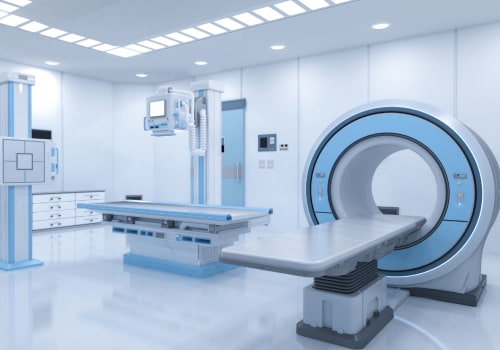
Medical diagnostics play a crucial role in the healthcare system, serving as the foundation for identifying diseases and determining appropriate treatment plans. By utilizing various techniques and technologies, healthcare professionals can accurately assess a patient's condition, leading to timely interventions that can significantly improve health outcomes. The importance of medical diagnostics cannot be overstated; they not only aid in the detection of illnesses but also help in monitoring the effectiveness of treatments and managing chronic conditions. Despite their critical role, there are several misconceptions about medical diagnostics that can lead to misunderstandings among patients and even healthcare providers. For instance, some individuals may believe that diagnostic tests are infallible, overlooking the fact that no test is 100% accurate.
Others might assume that all diagnostic procedures are invasive or uncomfortable, which is not always the case. These misconceptions can create unnecessary anxiety and hinder patients from seeking essential medical care. As we delve deeper into the world of medical diagnostics, it is essential to clarify these misconceptions and highlight the true nature of diagnostic practices. Understanding what medical diagnostics entail and their significance in patient care will empower individuals to make informed decisions about their health. In the following sections, we will explore common myths surrounding medical diagnostics and provide insights to help demystify this vital aspect of healthcare.
Misconception 1: Medical Diagnostics Are Always Accurate
One of the most prevalent misconceptions about medical diagnostics is the belief that they are always accurate.While advancements in technology and methodology have significantly improved diagnostic capabilities, it is crucial to recognize that no test is infallible. Various factors can contribute to diagnostic errors, leading to incorrect conclusions about a patient's health.Firstly, the accuracy of medical diagnostics can be influenced by the quality of the sample collected. For instance, a blood test may yield misleading results if the sample is contaminated or improperly handled. Additionally, the timing of the test can also play a critical role; certain conditions may not be detectable at specific stages of their progression.Moreover, human error is an unavoidable aspect of medical diagnostics.
From misinterpretation of results by healthcare professionals to clerical mistakes in data entry, these errors can lead to significant consequences for patient care. It is essential for both patients and providers to understand that even highly sensitive tests can produce false positives or negatives.
- False Positives: These occur when a test indicates a condition is present when it is not. This can lead to unnecessary anxiety and further invasive testing.
- False Negatives: Conversely, this happens when a test fails to detect a condition that is actually present, potentially delaying necessary treatment.
Understanding these limitations is vital for making informed decisions about health care.In conclusion, while medical diagnostics are invaluable tools in modern medicine, it is essential to approach them with a critical mindset. Acknowledging their limitations and potential for error can empower patients to engage more actively in their healthcare journey and foster better communication with their healthcare providers.
Misconception 2: All Tests Are Necessary for Diagnosis
One of the most prevalent misconceptions surrounding medical diagnostics is the belief that undergoing a multitude of tests is essential for an accurate diagnosis. This notion can lead to unnecessary medical tests, which not only burden patients but also contribute to the phenomenon known as overdiagnosis.Overdiagnosis occurs when a condition is diagnosed that would not have caused symptoms or harm if left untreated. This can result in patients receiving treatments that are not only unnecessary but may also expose them to potential side effects and complications.For instance, screening tests for certain cancers can sometimes detect tumors that grow so slowly they would never impact a person's health during their lifetime.Moreover, the pressure to conduct more tests can stem from various factors, including patient expectations, defensive medicine practices, and financial incentives within healthcare systems. However, it is crucial to understand that more tests do not necessarily lead to better outcomes. In fact, diagnostic testing guidelines emphasize the importance of selecting appropriate tests based on clinical evidence and individual patient circumstances.
Key Points to Consider:
- Not all tests are necessary: Each test should be justified based on the patient's specific symptoms and medical history.
- Risks of overdiagnosis: Unnecessary tests can lead to anxiety, invasive procedures, and treatment for conditions that may never affect the patient.
- Guidelines matter: Following established diagnostic testing guidelines helps ensure that only relevant and beneficial tests are performed.
Misconception 3: Diagnostic Tests Can Replace Clinical Judgment
One of the most prevalent misconceptions about medical diagnostics is the belief that diagnostic tests can entirely replace the need for clinical judgment.While diagnostic tests, such as blood tests, imaging studies, and biopsies, provide critical data, they are not infallible and should be viewed as tools that assist physicians rather than substitutes for their expertise.
Clinical judgment
plays a vital role in the diagnostic process. Physicians are trained to interpret test results within the context of a patient’s overall health, medical history, and presenting symptoms. For instance, a test may indicate a potential issue, but it is the physician's responsibility to consider other factors—such as age, lifestyle, and family history—before arriving at a diagnosis.Moreover, diagnostic tests can sometimes yield false positives or negatives. A false positive may lead to unnecessary anxiety and further invasive testing, while a false negative could result in missed treatment opportunities.This is where the physician's ability to synthesize information from various sources becomes crucial. They must weigh the reliability of the test results against their clinical findings and patient interactions.In addition, diagnostic decision-making often involves complex scenarios where multiple conditions may present similar symptoms. In such cases, relying solely on test results can lead to misdiagnosis. Physicians utilize their training and experience to navigate these complexities, ensuring that patients receive accurate diagnoses and appropriate treatment plans.Ultimately, while diagnostic tests are invaluable in modern medicine, they should complement rather than replace the nuanced understanding that comes from clinical judgment.
The integration of both elements leads to better patient outcomes and more effective healthcare delivery.
Misconception 4: All Patients Receive the Same Diagnostic Approach
One of the most prevalent misconceptions about medical diagnostics is the belief that all patients receive the same diagnostic approach, regardless of their unique health circumstances. In reality, personalized medicine has revolutionized the way healthcare providers assess and diagnose patients, leading to tailored diagnostic strategies that consider individual variations.Patient-specific diagnostics
take into account a multitude of factors, including genetic makeup, lifestyle choices, and pre-existing health conditions. For instance, two patients presenting similar symptoms may undergo entirely different diagnostic tests based on their medical history and risk factors. This individualized approach not only enhances the accuracy of diagnoses but also improves treatment outcomes.Moreover, variations in diagnostic approaches can stem from advancements in technology and research.For example, the rise of genomic testing allows for more precise identification of diseases at a molecular level, which can lead to different diagnostic pathways for patients with similar clinical presentations. This is particularly evident in fields such as oncology, where targeted therapies are developed based on specific genetic mutations.Additionally, healthcare providers often consider demographic factors such as age, sex, and ethnicity when determining the most appropriate diagnostic methods. These considerations ensure that the diagnostic process is not only effective but also equitable across diverse patient populations.In conclusion, the notion that all patients receive identical diagnostic approaches is a significant oversimplification. The field of medical diagnostics is increasingly moving towards a model that embraces personalized medicine, recognizing that each patient is unique and requires a tailored approach to achieve optimal health outcomes.
Misconception 5: Diagnostic Tests Are Only for Serious Conditions
One of the most prevalent misconceptions about medical diagnostics is the belief that diagnostic tests are only necessary for serious health conditions.This notion can lead individuals to overlook the critical role that routine diagnostics play in maintaining overall health and well-being.
Routine diagnostic tests
are essential for identifying potential health issues before they escalate into more serious problems. These tests can include blood work, imaging studies, and various screenings that help detect conditions such as diabetes, high cholesterol, and even certain cancers at an early stage. Early detection is key to effective treatment and can significantly improve outcomes.Moreover, preventive health screenings are designed to catch diseases in their infancy when they are often more manageable and less costly to treat. For instance, regular mammograms can help detect breast cancer early, while colonoscopies can identify precancerous polyps in the colon.By participating in these screenings, individuals take proactive steps toward their health.Additionally, many chronic conditions do not present noticeable symptoms until they have progressed significantly. This is why routine medical diagnostics are vital; they provide a comprehensive view of an individual’s health status and can reveal underlying issues that may not yet be apparent.In summary, dismissing diagnostic tests as only relevant for serious conditions undermines their importance in preventive care. Embracing routine diagnostics not only aids in early detection but also empowers individuals to take charge of their health, leading to better long-term outcomes.
Common Questions About Medical Diagnostics
When it comes to medical diagnostics, many individuals have questions that stem from misconceptions or a lack of understanding. Here are some common queries that can help clarify these doubts:- What is the purpose of medical diagnostics?
The primary purpose of medical diagnostics is to identify diseases or conditions based on symptoms, medical history, and various tests.This process helps healthcare providers develop effective treatment plans.
- Are all medical tests accurate?
Not all tests are 100% accurate. Factors such as the type of test, the timing of the test, and individual patient differences can affect results. It's essential to discuss any concerns with your healthcare provider. - How do I prepare for a medical diagnostic test?
Preparation varies by test. Some may require fasting, while others might need you to avoid certain medications.Always follow your doctor's instructions for the best results.
- Can I trust online diagnostic tools?
While online tools can provide general information, they should not replace professional medical advice. Always consult a healthcare provider for accurate diagnoses and treatment options. - What happens if a test result is abnormal?
An abnormal result does not always indicate a serious problem. It may require further testing or monitoring. Your doctor will guide you on the next steps based on your specific situation.
Conclusion: The Importance of Understanding Medical Diagnostics
In conclusion, understanding the nuances of medical diagnostics is crucial for both patients and healthcare providers.Misconceptions surrounding this field can lead to unnecessary anxiety, misinformed decisions, and ultimately, poorer health outcomes. By addressing these common myths, we empower individuals to engage more effectively with their healthcare.One of the most significant takeaways is that medical diagnostics is not merely about obtaining results; it encompasses a comprehensive process that includes patient history, physical examinations, and the interpretation of various tests. This holistic approach ensures that diagnoses are accurate and tailored to individual needs.Moreover, it is essential to recognize that advancements in technology have significantly improved diagnostic accuracy. However, these innovations do not replace the need for skilled professionals who can interpret results within the context of a patient’s overall health.
Therefore, trusting the expertise of healthcare providers is vital.Additionally, patients should be encouraged to ask questions and seek clarification about their diagnostic processes. This proactive approach fosters better communication and understanding between patients and healthcare professionals.
- Empowerment through Knowledge: Understanding medical diagnostics helps patients make informed decisions about their health.
- Collaboration with Healthcare Providers: Building a partnership with doctors enhances the diagnostic process.
- Awareness of Limitations: Recognizing that no diagnostic tool is infallible can help manage expectations.