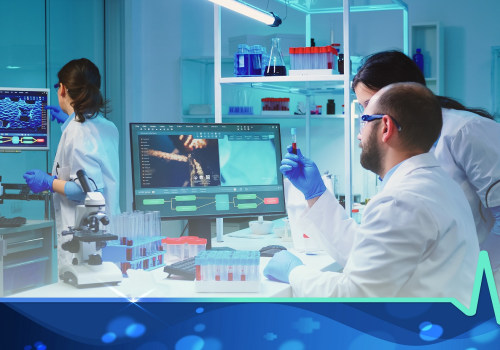
Medical diagnostics is a critical component of healthcare that involves the identification of diseases and health conditions through various methods and technologies. It encompasses a wide range of procedures, tests, and evaluations that help healthcare professionals understand a patient's health status. By accurately diagnosing illnesses, medical diagnostics not only guides treatment decisions but also plays a pivotal role in preventing the spread of diseases, thereby significantly impacting public health.The importance of medical diagnostics cannot be overstated. Early detection of diseases such as cancer, diabetes, and infectious diseases can lead to timely interventions that improve patient outcomes and reduce healthcare costs.
Moreover, effective diagnostics contribute to the monitoring of disease outbreaks and the implementation of public health strategies. For instance, during an epidemic, rapid diagnostic tests can help identify infected individuals quickly, allowing for prompt isolation and treatment, which is essential for controlling the spread. There are various types of medical diagnostics, each serving unique purposes. These include laboratory tests, such as blood tests and urinalysis; imaging techniques, like X-rays, MRIs, and CT scans; and biopsies, which involve taking tissue samples for analysis. Each type of diagnostic tool provides valuable information that aids in understanding complex health issues.
As technology advances, the field of medical diagnostics continues to evolve, introducing innovative methods such as genetic testing and telemedicine diagnostics that further enhance our ability to address public health challenges.
The Role of Medical Diagnostics in Disease Prevention
Medical diagnostics play a crucial role in the realm of disease prevention, primarily through the mechanisms of early detection and screening tests. By identifying diseases at their nascent stages, healthcare providers can implement timely interventions that significantly improve patient outcomes.Early detection is vital for conditions such as cancer, diabetes, and cardiovascular diseases. For instance, screening tests like mammograms and colonoscopies can detect cancers before symptoms arise, allowing for treatments that are often less invasive and more effective. This proactive approach not only enhances survival rates but also reduces the overall burden on healthcare systems.Moreover, screening tests serve as a preventive measure by identifying individuals at high risk for certain diseases.For example:
- Cholesterol screenings can help identify individuals at risk for heart disease, prompting lifestyle changes or medications to mitigate that risk.
- Blood pressure checks can lead to early interventions that prevent complications such as stroke or kidney failure.
- Genetic testing can inform individuals about their predisposition to hereditary conditions, enabling them to take preventive actions.
Impact on Treatment and Management of Diseases
The role of medical diagnostics in the treatment and management of diseases cannot be overstated. Accurate diagnostics are essential for developing effective treatment plans tailored to individual patients.This precision is particularly evident in the realm of personalized medicine, where treatments are customized based on a patient’s unique genetic makeup, lifestyle, and environmental factors.With advancements in diagnostic tools, healthcare providers can now identify diseases at much earlier stages than before. This early detection is crucial as it allows for timely interventions that can significantly improve patient outcomes. For instance, the use of advanced imaging techniques and biomarker tests enables clinicians to pinpoint the exact nature of a disease, leading to more targeted therapies.
- Enhanced Treatment Plans: By utilizing precise diagnostic information, healthcare professionals can devise treatment strategies that are more effective and less invasive.
- Reduction of Trial and Error: Accurate diagnostics minimize the guesswork often associated with treatment selection, reducing the time patients spend on ineffective therapies.
- Improved Patient Compliance: When patients understand their specific conditions through clear diagnostic results, they are more likely to adhere to prescribed treatment regimens.
This not only enhances the quality of life for patients but also reduces the overall burden on public health systems.In conclusion, the impact of medical diagnostics on treatment and management is profound. As technology continues to evolve, the potential for even more sophisticated diagnostic methods will further enhance personalized medicine, leading to better health outcomes for populations worldwide.
Economic Implications of Medical Diagnostics on Public Health
The economic implications of medical diagnostics are profound, influencing not only individual health outcomes but also the broader healthcare system. By facilitating early detection and intervention, medical diagnostics can significantly reduce overall healthcare costs. This section explores how effective diagnostic tools contribute to economic efficiency in public health.One of the primary ways that medical diagnostics impact the economy is through cost-effectiveness.Early diagnosis of diseases such as cancer, diabetes, and cardiovascular conditions allows for timely treatment, which can prevent the progression of these diseases into more severe stages that require expensive interventions. For instance:
- Preventive screenings: Regular screenings can identify health issues before they become critical, leading to lower treatment costs and better patient outcomes.
- Reduced hospitalizations: Accurate diagnostics can minimize unnecessary hospital visits and admissions, which are often costly and resource-intensive.
- Improved resource allocation: By identifying health trends and needs through diagnostics, healthcare systems can allocate resources more effectively, ensuring that funds are directed towards areas with the greatest impact.
- Targeted therapies: Diagnostics enable healthcare providers to tailor treatments to individual patients, reducing trial-and-error approaches that can be costly and ineffective.
- Long-term savings: While the initial investment in advanced diagnostic tools may be high, the long-term savings from reduced complications and improved health outcomes can outweigh these costs.
By investing in effective diagnostic strategies, we can not only enhance individual health but also create a more sustainable and cost-effective healthcare system.
Challenges and Limitations in Medical Diagnostics
While medical diagnostics play a crucial role in enhancing public health, several challenges and limitations hinder their effectiveness. Understanding these issues is essential for improving diagnostic practices and outcomes.Diagnostic Challenges
One of the primary challenges in medical diagnostics is the variability in test accuracy. Factors such as the quality of samples, the skill of the personnel conducting the tests, and the inherent limitations of the diagnostic tools can lead to false positives or negatives. For instance, a false negative in cancer screening can delay treatment, while a false positive may lead to unnecessary anxiety and invasive procedures.Limitations of Medical Tests
The limitations of various medical tests also pose significant challenges.Many diagnostic tests are designed for specific populations or conditions, which can limit their applicability across diverse demographics. Additionally, some tests may not be available in all healthcare settings, particularly in rural or underserved areas, leading to disparities in access to care.
Accuracy Issues
Accuracy issues are compounded by the rapid advancement of technology in medical diagnostics. While new technologies promise improved accuracy and efficiency, they often require extensive validation before being widely adopted. This lag can result in outdated practices persisting longer than necessary, potentially compromising patient care. Moreover, the integration of artificial intelligence and machine learning into diagnostics introduces its own set of challenges.While these technologies can enhance diagnostic capabilities, they also raise concerns about data privacy, algorithm bias, and the need for continuous oversight to ensure reliability. In conclusion, addressing these challenges and limitations is vital for optimizing medical diagnostics. By focusing on improving test accuracy, expanding access to advanced diagnostic tools, and ensuring that new technologies are rigorously validated, we can enhance public health outcomes significantly.
Future Trends in Medical Diagnostics and Public Health
The future of medical diagnostics is poised for transformative changes that will significantly impact public health. As technology continues to evolve, several key trends are emerging that promise to enhance diagnostic accuracy, speed, and accessibility.Technological Advancements
One of the most exciting advancements in medical diagnostics is the integration of artificial intelligence (AI) and machine learning. These technologies can analyze vast amounts of data quickly, identifying patterns that may be missed by human practitioners.For instance, AI algorithms are being developed to assist in interpreting medical imaging, leading to earlier detection of conditions such as cancer.
Point-of-Care Testing
Another trend is the rise of point-of-care testing, which allows for immediate diagnostic results at the site of patient care. This innovation not only speeds up the decision-making process but also reduces the burden on healthcare facilities. With portable devices capable of conducting complex tests, patients can receive timely treatment, which is crucial in managing infectious diseases and chronic conditions.Telemedicine and Remote Monitoring
The expansion of telemedicine has also revolutionized how diagnostics are conducted. Remote monitoring tools enable healthcare providers to track patients' health metrics in real-time, facilitating proactive interventions.This approach is particularly beneficial for managing chronic diseases and ensuring that patients adhere to treatment plans.
Genomic and Personalized Medicine
The field of genomics is another area where diagnostics are advancing rapidly. As our understanding of the human genome improves, personalized medicine is becoming more prevalent. Tailoring treatments based on an individual’s genetic makeup can lead to more effective interventions and better health outcomes.Innovations in Healthcare Delivery
Finally, innovations in healthcare delivery systems are enhancing access to diagnostics. Mobile health applications and community-based diagnostic centers are making it easier for underserved populations to receive necessary testing.By breaking down barriers to access, these innovations contribute to improved public health outcomes.In conclusion, the future of medical diagnostics is bright, with technological advancements paving the way for enhanced public health strategies. As these innovations continue to develop, they hold the potential to transform how we approach disease prevention and management on a global scale.
Frequently Asked Questions about Medical Diagnostics
Medical diagnostics play a crucial role in enhancing public health by enabling early detection and treatment of diseases. Here are some frequently asked questions that shed light on this important topic:- What are medical diagnostics? Medical diagnostics refer to the processes and techniques used to identify diseases and health conditions through various tests and examinations. These can include blood tests, imaging studies, and biopsies.
- How do medical diagnostics impact public health? By facilitating early detection of diseases, medical diagnostics help in reducing the spread of infections, improving treatment outcomes, and ultimately lowering healthcare costs.
They also inform public health policies and resource allocation.
- What are some common diagnostic tests? Common diagnostic tests include:
- Blood tests: Used to assess overall health and detect a variety of conditions.
- X-rays: Help visualize the internal structures of the body.
- MRI scans: Provide detailed images of organs and tissues.
- CT scans: Offer cross-sectional images for better diagnosis.
- Are there any misconceptions about medical diagnostics? Yes, one common misconception is that all diagnostic tests are invasive or painful. In reality, many modern diagnostic methods are non-invasive and can be performed with minimal discomfort.