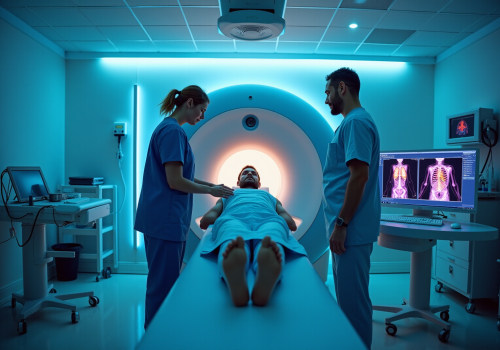
Medical diagnostics is a critical component of modern healthcare, serving as the foundation for identifying diseases and health conditions. It encompasses a wide range of techniques and tools that healthcare professionals use to assess a patient's health status. From blood tests and imaging studies to genetic screenings and biopsies, the types of medical diagnostics are diverse, each offering unique insights into the body’s functioning. Understanding these various methods is essential for recognizing how they can be leveraged not only for treatment but also for preventative care.The importance of medical diagnostics cannot be overstated.
Early detection of potential health issues can significantly improve treatment outcomes and reduce healthcare costs. For instance, routine screenings such as mammograms or colonoscopies can identify cancers at an earlier stage when they are more treatable. Moreover, advancements in technology have led to the development of more precise diagnostic tools, enabling healthcare providers to tailor preventative strategies based on individual risk factors. As we delve deeper into the relationship between medical diagnostics and preventative care, it becomes clear that these diagnostic tools are not merely reactive; they can also be proactive. By utilizing diagnostic data, healthcare professionals can implement personalized health plans that address specific risks before they escalate into serious conditions.
This proactive approach not only enhances patient outcomes but also fosters a culture of health awareness and responsibility.
The Link Between Medical Diagnostics and Preventative Care
In recent years, the integration of medical diagnostics into preventative care has gained significant attention. This approach emphasizes the importance of identifying potential health issues before they escalate into serious conditions. By leveraging advanced diagnostic tools and techniques, healthcare providers can offer tailored interventions that promote long-term health and well-being.How Diagnostics Aid Prevention
- Early Detection: Regular screenings and tests can uncover early signs of diseases such as diabetes, hypertension, and cancer. For instance, blood tests can reveal abnormal glucose levels, prompting lifestyle changes or medication to prevent full-blown diabetes.
- Risk Assessment: Diagnostic tools help assess individual risk factors based on family history, lifestyle choices, and genetic predispositions.
This information allows healthcare providers to recommend personalized preventative strategies.
- Monitoring Health Trends: Continuous monitoring through diagnostics enables healthcare professionals to track changes in a patient’s health over time. This proactive approach can lead to timely interventions that mitigate risks.
- Cost-Effectiveness: Investing in preventative care through diagnostics can significantly reduce healthcare costs by avoiding expensive treatments for advanced diseases.
- Improved Quality of Life: By preventing diseases or catching them early, patients can maintain a better quality of life with fewer health complications.
- Empowerment: Patients who engage in preventative care become more informed about their health, leading to healthier lifestyle choices and increased adherence to medical advice.
Types of Medical Diagnostics Used in Preventative Care
Preventative care is increasingly reliant on medical diagnostics to identify potential health issues before they become serious. Various types of diagnostics play a crucial role in this proactive approach, particularly through screening tests and genetic testing.Screening Tests
Screening tests are designed to detect diseases in their early stages, often before symptoms appear.These tests can significantly improve outcomes by allowing for timely intervention. Common examples include:
- Mammograms: Used for early detection of breast cancer, recommended for women starting at age 40.
- Pap Smears: Essential for identifying cervical cancer in women, typically performed every three years after age 21.
- Colonoscopy: A critical test for detecting colorectal cancer, recommended for adults starting at age 45.
- Lipid Panels: These blood tests assess cholesterol levels to evaluate heart disease risk.
Genetic Testing
Genetic testing is another powerful tool in preventative care, providing insights into an individual’s predisposition to certain diseases. By analyzing DNA, healthcare providers can identify genetic markers associated with conditions such as:- BRCA1 and BRCA2 mutations: Linked to a higher risk of breast and ovarian cancers.
- Lynch syndrome: Increases the risk of colorectal and other cancers.
- Cystic fibrosis gene mutations: Can inform family planning and early interventions.
Case Studies: Successful Implementation of Diagnostics in Preventative Care
In recent years, several case studies have emerged that highlight the successful integration of medical diagnostics into preventative care strategies.These real-world examples not only showcase the effectiveness of diagnostics but also emphasize their role in improving patient outcomes.
Case Study 1: Early Detection of Diabetes
A prominent healthcare system in the Midwest implemented a comprehensive screening program for prediabetes using advanced diagnostic tools. By utilizing HbA1c testing and risk assessment questionnaires, they identified at-risk individuals during routine check-ups. The results were significant:- 30% of participants were diagnosed with prediabetes.
- Participants received personalized lifestyle intervention plans.
- Follow-up studies showed a 50% reduction in progression to type 2 diabetes within two years.
Case Study 2: Cardiovascular Risk Assessment
A cardiology clinic in California adopted a proactive approach by integrating genetic testing and advanced imaging techniques into their routine cardiovascular assessments. This initiative aimed to identify patients at high risk for heart disease before symptoms appeared.Key outcomes included:
- Increased early intervention: 40% of patients received treatment before experiencing any cardiac events.
- Improved patient education: Patients were more informed about their genetic predispositions and lifestyle choices.
- Reduction in hospital admissions: A 25% decrease in emergency visits related to heart conditions was reported.
Case Study 3: Cancer Screening Innovations
A leading oncology center introduced a multi-faceted screening program that combined traditional imaging with liquid biopsy technology. This approach allowed for the detection of cancer at much earlier stages than conventional methods. The results were promising:- Detection rates: Early-stage cancers were identified in over 60% of screened patients.
- Treatment success: Patients who began treatment early had a survival rate increase of up to 70%.
Challenges and Limitations of Using Medical Diagnostics for Prevention
While the integration of medical diagnostics into preventative care holds great promise, several challenges and limitations hinder its effectiveness. Understanding these obstacles is crucial for healthcare providers and policymakers aiming to enhance preventative strategies.Challenges in Medical Diagnostics- Accuracy and Reliability: One of the primary challenges is ensuring the accuracy and reliability of diagnostic tests.
False positives or negatives can lead to unnecessary anxiety or missed opportunities for early intervention.
- Cost and Accessibility: Advanced diagnostic tools can be expensive, limiting access for many patients. This financial barrier can prevent individuals from receiving timely screenings that could aid in prevention.
- Data Interpretation: The interpretation of diagnostic data requires skilled professionals. Inadequate training or experience can result in misinterpretation, which may compromise patient care.
- Patient Compliance: Even with effective diagnostics, patient compliance remains a significant hurdle. Individuals may neglect follow-up appointments or fail to adhere to recommended lifestyle changes.
- Focus on Disease Rather Than Wellness: Many diagnostic approaches are disease-centric, often overlooking broader wellness factors that contribute to overall health.
- Lack of Integration: There is often a disconnect between diagnostic services and preventative care initiatives, leading to fragmented healthcare delivery.
- Regulatory Hurdles: Navigating the regulatory landscape can be complex, delaying the adoption of innovative diagnostic technologies that could enhance preventative care.
By overcoming these barriers, healthcare systems can better leverage diagnostics to promote early intervention and improve patient outcomes.
Future Trends in Medical Diagnostics and Preventative Care
The landscape of medical diagnostics is rapidly evolving, driven by technological advancements and a growing emphasis on preventative care. As healthcare systems shift from reactive to proactive approaches, several key trends are emerging that promise to enhance the effectiveness of diagnostics in preventing diseases before they manifest.Innovations in Diagnostic Technologies
One of the most significant trends is the integration of artificial intelligence (AI) and machine learning into diagnostic processes. These technologies can analyze vast amounts of data from various sources, including electronic health records and genetic information, to identify patterns that may indicate a predisposition to certain conditions. For instance, AI algorithms can predict the likelihood of developing chronic diseases such as diabetes or heart disease based on lifestyle factors and family history.Wearable Health Devices
Another exciting development is the rise of wearable health devices that continuously monitor vital signs and other health metrics.These devices not only provide real-time data but also enable early detection of potential health issues. For example, smartwatches equipped with heart rate monitors can alert users to irregularities that may require further investigation, allowing for timely intervention.
Genomic Testing and Personalized Medicine
Genomic testing is also paving the way for more personalized approaches to preventative care. By analyzing an individual's genetic makeup, healthcare providers can tailor prevention strategies that are specific to their risk factors. This level of customization enhances the effectiveness of preventative measures, ensuring that patients receive the most relevant advice and interventions.The Role of Telemedicine
Furthermore, the rise of telemedicine has transformed how patients access diagnostic services.Virtual consultations allow for quicker assessments and follow-ups, making it easier for healthcare providers to monitor patients' health over time. This accessibility can lead to earlier diagnoses and more effective preventative strategies.In conclusion, the future of medical diagnostics in relation to preventative care is bright, with innovations in technology playing a crucial role. As these trends continue to develop, they hold the potential to significantly improve patient outcomes by enabling earlier detection and more personalized care strategies.
FAQs About Medical Diagnostics and Preventative Care
Understanding the relationship between medical diagnostics and preventative care is crucial for maintaining optimal health. Here are some frequently asked questions that can help clarify this important topic.- What are medical diagnostics?
Medical diagnostics refer to the processes and tests used to identify diseases or health conditions in patients.These can include blood tests, imaging studies, and genetic testing, among others.
- How do medical diagnostics contribute to preventative care?
By identifying risk factors and early signs of disease, medical diagnostics enable healthcare providers to implement preventative measures. This proactive approach can lead to better health outcomes and reduce the incidence of serious illnesses. - What types of diagnostic tests are commonly used for preventative care?
Common diagnostic tests include:- Blood pressure screenings
- Cholesterol tests
- Diabetes screenings
- Cancer screenings (e.g., mammograms, colonoscopies)
- Genetic testing for hereditary conditions
- Are there any risks associated with diagnostic testing?
While most diagnostic tests are safe, some may carry risks such as exposure to radiation or false positives. It’s essential to discuss these risks with your healthcare provider to make informed decisions. - How often should I undergo diagnostic tests for preventative care?
The frequency of diagnostic tests varies based on individual risk factors, age, and family history. Regular consultations with a healthcare provider can help determine the appropriate schedule for your specific needs.