In the realm of healthcare, medical diagnostics play a pivotal role in identifying diseases, guiding treatment decisions, and monitoring patient progress. These tests are essential tools that help healthcare professionals gather critical information about a patient's health status. By employing various diagnostic methods, clinicians can detect conditions early, which often leads to more effective interventions and improved patient outcomes. The importance of medical tests cannot be overstated; they serve as the foundation for informed medical decisions. From routine screenings to advanced imaging techniques, each diagnostic test provides unique insights into the body’s functioning.
For instance, blood tests can reveal underlying metabolic issues, while imaging studies like X-rays and MRIs can visualize structural abnormalities. This comprehensive approach to diagnosis not only enhances the accuracy of medical assessments but also fosters a proactive stance in managing health. As we delve deeper into the world of diagnostic tests, it becomes clear that understanding these tools is crucial for both patients and healthcare providers. This exploration will cover various types of tests, their methodologies, and their significance in modern medicine. By grasping the fundamentals of medical diagnostics, individuals can better appreciate the processes that underpin their healthcare experiences and empower themselves to engage actively in their health management.
Blood Tests: The Foundation of Medical Diagnostics
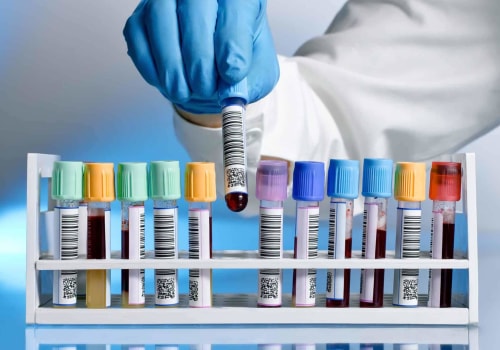
Blood tests are a cornerstone of medical diagnostics, providing critical insights into a patient's health.These tests analyze various components of blood, helping healthcare professionals diagnose conditions, monitor health status, and guide treatment decisions.There are several types of blood tests, each serving a unique purpose:
- Complete Blood Count (CBC): This test evaluates overall health and detects a variety of disorders, such as anemia and infection, by measuring different blood components like red blood cells, white blood cells, and platelets.
- Basic Metabolic Panel (BMP): This panel assesses glucose levels, electrolyte balance, and kidney function, providing essential information about metabolic processes.
- Lipid Panel: This test measures cholesterol levels and triglycerides to evaluate cardiovascular health and the risk of heart disease.
- Liver Function Tests: These tests assess the health of the liver by measuring enzymes, proteins, and substances produced or processed by the liver.
- Thyroid Function Tests: These tests measure hormone levels to evaluate thyroid gland performance, which is crucial for metabolism regulation.
- Monitoring Chronic Conditions: Blood tests help track the progression of diseases like diabetes or hypertension.
- Evaluating Treatment Efficacy: Regular testing can determine how well a treatment is working or if adjustments are needed.
- Screening for Diseases: Many blood tests are used for early detection of diseases, allowing for timely intervention.
Imaging Tests: Visualizing Internal Health
Imaging tests are essential tools in medical diagnostics, allowing healthcare providers to visualize the internal structures of the body. These tests help in diagnosing various conditions, monitoring diseases, and guiding treatment plans.Below are some of the most common types of imaging tests:
- X-rays: One of the oldest and most widely used imaging techniques, X-rays utilize radiation to create images of bones and certain tissues. They are particularly effective for identifying fractures, infections, and tumors.
- Magnetic Resonance Imaging (MRI): MRI uses powerful magnets and radio waves to produce detailed images of organs and tissues. It is especially useful for examining soft tissues, such as the brain, muscles, and ligaments.
- Computed Tomography (CT) Scans: CT scans combine X-ray images taken from different angles and use computer processing to create cross-sectional images of bones and soft tissues. They provide more detailed information than standard X-rays and are often used in emergency settings.
- Ultrasound: This imaging technique uses high-frequency sound waves to create images of organs and structures inside the body.
It is commonly used during pregnancy but also helps diagnose conditions in the abdomen, heart, and blood vessels.
- Positron Emission Tomography (PET) Scans: PET scans involve injecting a small amount of radioactive material to visualize metabolic processes in the body. They are particularly valuable in oncology for detecting cancerous cells.
- Non-invasive: Most imaging tests do not require any surgical procedures, making them safer for patients.
- Early detection: Many conditions can be identified at an early stage through imaging, which can significantly improve treatment outcomes.
- Guidance for treatment: Imaging tests can help doctors plan surgeries or other interventions by providing a clear view of the affected area.
Biopsy Procedures: Understanding Tissue Analysis
A biopsy is a medical procedure that involves the removal of a small sample of tissue from the body for examination under a microscope. This diagnostic test is crucial in identifying various diseases, particularly cancer. By analyzing the tissue, healthcare providers can determine the presence of abnormal cells and make informed decisions regarding treatment options.Types of Biopsies
- Needle Biopsy: This method uses a thin needle to extract tissue from a suspicious area.
It is often performed on lumps or masses that can be felt or seen on imaging studies.
- Excisional Biopsy: In this procedure, an entire lump or suspicious area is surgically removed for analysis. This type is often used when a larger sample is needed.
- Incisional Biopsy: Here, only a portion of the abnormal tissue is removed. This is typically done when the lesion is too large to be completely excised.
- Endoscopic Biopsy: Conducted during an endoscopy, this biopsy allows doctors to take tissue samples from internal organs such as the lungs or gastrointestinal tract.
Additionally, biopsies can guide treatment decisions, allowing for personalized approaches based on the specific characteristics of the disease.In summary, understanding the different types of biopsies and their role in diagnostics is essential for patients facing potential health issues. By providing critical insights into tissue health, biopsies remain a cornerstone of effective medical evaluation and treatment planning.
Urine Tests: Insights into Health Through Urinalysis
Urine tests, also known as urinalysis, are essential diagnostic tools that provide valuable insights into a person's health. These tests analyze the physical, chemical, and microscopic properties of urine, helping healthcare providers detect a variety of conditions.The purpose of urine tests extends beyond simple screening; they can reveal critical information about kidney function, metabolic disorders, and even infections. For instance, a routine urinalysis can help identify:- Urinary tract infections (UTIs)
- Kidney disease
- Diabetes
- Liver disease
- Dehydration or overhydration
- Color and clarity: Normal urine is typically pale yellow and clear.
Changes in color or cloudiness can indicate various health issues.
- pH level: The acidity or alkalinity of urine can provide clues about metabolic conditions.
- Specific gravity: This measures urine concentration, which can indicate hydration status or kidney function.
- Presence of substances: Tests for proteins, glucose, ketones, and blood can signal underlying health problems.
Genetic Testing: The Future of Personalized Medicine
Genetic testing has emerged as a pivotal component of medical diagnostics, offering insights that can significantly influence treatment decisions and health outcomes. This innovative approach allows healthcare providers to analyze an individual’s DNA, identifying genetic variations that may predispose them to certain diseases or conditions.Types of Genetic Tests
- Diagnostic Testing: Used to confirm or rule out a specific genetic condition in individuals showing symptoms.
- Predictive and Presymptomatic Testing: Helps determine the likelihood of developing a genetic disorder before symptoms appear, particularly useful for hereditary conditions.
- Carrier Testing: Identifies individuals who carry one copy of a gene mutation that, when present in two copies, causes a genetic disorder. This is crucial for family planning.
- Pharmacogenomic Testing: Assesses how genes affect a person’s response to medications, enabling personalized treatment plans that enhance efficacy and minimize side effects.
Benefits of Genetic Diagnostics
The implications of genetic testing extend far beyond mere diagnosis.Here are some key benefits:
- Personalized Treatment: By understanding an individual’s genetic makeup, healthcare providers can tailor treatments that are more effective and have fewer adverse effects.
- Early Detection: Genetic testing can lead to earlier interventions, improving outcomes for conditions that are more effectively treated when caught early.
- Informed Family Planning: For couples with a family history of genetic disorders, carrier testing provides critical information that can guide reproductive choices.
- Risk Assessment: Individuals can gain insights into their risk for certain diseases, allowing for proactive lifestyle changes and monitoring strategies.
Common Diagnostic Tests for Specific Conditions
When it comes to medical diagnostics, specific tests are often tailored to diagnose particular health conditions effectively. Understanding these condition-specific tests can help patients and healthcare providers make informed decisions about treatment and management.1.Diabetes
For diabetes, the most common diagnostic test is the Hemoglobin A1c test. This blood test measures the average blood sugar levels over the past two to three months, providing a clear picture of how well blood sugar is being managed.Additionally, the Fasting Plasma Glucose (FPG) test and the Oral Glucose Tolerance Test (OGTT) are also widely used to diagnose diabetes.
2.Heart Disease
In the realm of heart disease, several diagnostic tests are crucial. The Echocardiogram, which uses sound waves to create images of the heart, helps assess its structure and function. Another important test is the Electrocardiogram (ECG), which records the electrical activity of the heart and can identify irregularities in heart rhythm.3.Cancer
Cancer diagnosis often involves a combination of imaging tests and biopsies. Common imaging tests include X-rays, CT scans, and MRI scans, which help visualize tumors.A biopsy, where a small sample of tissue is taken for examination, is essential for confirming cancer diagnoses.
4.Respiratory Conditions
For respiratory issues such as asthma or chronic obstructive pulmonary disease (COPD), Pulmonary Function Tests (PFTs) are commonly used. These tests measure lung capacity and airflow, helping to determine the severity of respiratory conditions.In summary, understanding these common diagnostic tests for specific conditions not only aids in early detection but also enhances treatment outcomes. By being aware of these tests, patients can engage more actively in their healthcare journey.FAQs About Medical Diagnostic Tests
When it comes to medical diagnostics, patients often have numerous questions. Here are some of the most frequently asked questions regarding diagnostic tests:- What are medical diagnostic tests?
Medical diagnostic tests are procedures used to determine the presence or absence of a disease, assess its severity, and monitor treatment effectiveness.These tests can include blood tests, imaging studies, biopsies, and more.
- How do I prepare for a diagnostic test?
Preparation varies depending on the type of test. For instance, fasting may be required before blood tests, while imaging tests might necessitate avoiding certain foods or medications. Always follow your healthcare provider's specific instructions. - Are diagnostic tests safe?
Most diagnostic tests are safe and carry minimal risk. However, some procedures, like biopsies or certain imaging tests involving radiation, may have associated risks.Discuss any concerns with your healthcare provider.
- How long does it take to get results?
The time frame for receiving results can vary widely based on the type of test. Some blood tests may provide results within hours, while others, like biopsies, may take several days to weeks. - What should I do if I have concerns about a test?
If you have any concerns regarding a diagnostic test—whether it's about the procedure itself or the implications of the results—don't hesitate to discuss them with your healthcare provider. They can provide clarity and reassurance.
Conclusion: The Role of Diagnostics in Healthcare
In summary, medical diagnostics play a crucial role in the healthcare system, serving as the foundation for effective patient management and treatment.The various diagnostic tests discussed, including blood tests, imaging studies, and biopsies, provide essential information that helps healthcare professionals make informed decisions.These tests not only aid in the identification of diseases but also assist in monitoring the progression of conditions and evaluating the effectiveness of treatments. For instance, regular blood tests can reveal changes in a patient's health status over time, while imaging techniques like MRI and CT scans allow for a detailed view of internal structures.Moreover, the advancements in medical diagnostics technology have significantly improved the accuracy and speed of test results. This has led to earlier detection of diseases, which is often critical for successful intervention. As healthcare continues to evolve, the integration of innovative diagnostic tools such as genetic testing and artificial intelligence will further enhance our ability to diagnose and treat various health issues.Ultimately, the importance of medical diagnostics cannot be overstated.
They are not merely tools for identifying ailments; they are integral to the entire healthcare process, ensuring that patients receive timely and appropriate care. As we move forward, continued investment in diagnostic research and technology will be essential to improving health outcomes and advancing medical science.