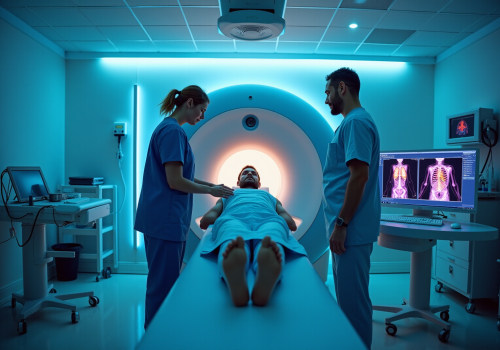
Medical diagnostics is a critical component of modern healthcare, encompassing a wide range of techniques and processes used to identify diseases, conditions, and injuries. At its core, medical diagnostics involves the systematic evaluation of a patient's health status through various methods, including laboratory tests, imaging studies, and physical examinations. This process not only aids in determining the presence of a disease but also plays a vital role in guiding treatment decisions and monitoring patient progress.The significance of medical diagnostics cannot be overstated. Accurate and timely diagnosis is essential for effective treatment, as it allows healthcare providers to tailor interventions to the specific needs of each patient.
For instance, early detection of conditions such as cancer or diabetes can lead to better outcomes and improved quality of life. Furthermore, advancements in diagnostic technologies have revolutionized the field, enabling healthcare professionals to detect diseases at earlier stages than ever before.In summary, understanding what medical diagnostics entails is fundamental for both healthcare providers and patients alike. As we delve deeper into this topic, we will explore various diagnostic methods, their applications in different medical fields, and the future trends shaping the landscape of medical diagnostics.
The Importance of Medical Diagnostics in Healthcare
Medical diagnostics plays a crucial role in the healthcare system, serving as the foundation for effective patient care and treatment strategies. By accurately identifying diseases and health conditions, diagnostics enables healthcare professionals to make informed decisions that significantly impact patient outcomes.One of the primary reasons medical diagnostics is essential is its ability to facilitate early detection of illnesses.Early diagnosis often leads to timely interventions, which can prevent the progression of diseases and improve survival rates. For instance, routine screenings for conditions such as cancer or diabetes can uncover issues before they become severe, allowing for more effective management.Moreover, diagnostic tests provide critical information that guides treatment decisions. When a healthcare provider understands the specific nature of a patient's condition through diagnostic imaging, blood tests, or biopsies, they can tailor treatment plans that are more likely to succeed. This personalized approach not only enhances the effectiveness of treatments but also minimizes unnecessary procedures and medications.
- Improved Patient Outcomes: Accurate diagnostics lead to better health outcomes by ensuring that patients receive appropriate care.
- Cost-Effectiveness: Early and precise diagnostics can reduce long-term healthcare costs by preventing complications and hospitalizations.
- Enhanced Patient Satisfaction: When patients feel confident in their diagnosis and treatment plan, their overall satisfaction with healthcare services increases.
It not only aids in the early detection and treatment of diseases but also enhances the overall quality of care provided to patients. As technology advances, the role of diagnostics will continue to evolve, further improving health outcomes and patient experiences.
Types of Medical Diagnostics
Medical diagnostics encompasses a variety of methods and tests used to identify diseases, conditions, and health issues. Understanding the different types of medical diagnostics is crucial for effective patient care and treatment planning. Below are the primary categories of diagnostic methods:- Laboratory Tests: These tests analyze samples of blood, urine, or other bodily fluids to detect abnormalities.
Common laboratory tests include:
- Complete Blood Count (CBC): Assesses overall health and detects a range of disorders, such as anemia and infection.
- Blood Chemistry Tests: Measure various chemicals in the blood to evaluate organ function.
- Urinalysis: Examines urine for signs of kidney disease, diabetes, and urinary tract infections.
- Imaging Studies: These non-invasive techniques allow healthcare providers to visualize the internal structures of the body. Common imaging studies include:
- X-rays: Useful for viewing bone fractures and certain diseases.
- Magnetic Resonance Imaging (MRI): Provides detailed images of soft tissues, including the brain and muscles.
- Computed Tomography (CT) Scans: Combines X-ray images taken from different angles to create cross-sectional views of bones and soft tissues.
- Physical Examinations: A fundamental aspect of medical diagnostics involves a thorough physical examination by a healthcare provider. This may include:
- Vital Signs Assessment: Monitoring heart rate, blood pressure, temperature, and respiratory rate.
- Palpation: Using hands to feel organs and tissues for abnormalities.
- Auscultation: Listening to internal sounds using a stethoscope to detect issues in the heart or lungs.
Common Diagnostic Tests and Procedures
Medical diagnostics encompasses a variety of tests and procedures that are essential for identifying health conditions and guiding treatment decisions.Among the most common diagnostic tests are:
- Blood Tests: These tests analyze various components of blood, including red and white blood cells, platelets, and biochemical markers. They can help diagnose conditions such as anemia, infections, and metabolic disorders.
- X-rays: X-ray imaging uses radiation to create pictures of the inside of the body. It is commonly used to detect fractures, infections, and tumors in bones and certain soft tissues.
- Magnetic Resonance Imaging (MRI): MRI utilizes strong magnets and radio waves to produce detailed images of organs and tissues. It is particularly useful for examining the brain, spinal cord, and joints.
- Computed Tomography (CT) Scans: CT scans combine X-ray images taken from different angles to create cross-sectional views of the body.
This method is effective for diagnosing internal injuries and diseases.
- Biopsies: A biopsy involves taking a small sample of tissue for examination under a microscope. This procedure is crucial for diagnosing cancer and other serious conditions.
Advancements in Medical Diagnostics Technology
The field of medical diagnostics has witnessed remarkable advancements in recent years, primarily driven by the integration of cutting-edge technologies. These innovations not only enhance the accuracy of diagnoses but also streamline the overall healthcare process.One of the most significant breakthroughs is the application of artificial intelligence (AI) and machine learning.These technologies analyze vast amounts of medical data, enabling healthcare professionals to identify patterns and make predictions with unprecedented precision. For instance, AI algorithms can evaluate medical images, such as X-rays and MRIs, to detect anomalies that may be missed by the human eye.
Telemedicine and Remote Diagnostics
Another area where technology has made a substantial impact is in telemedicine. Remote diagnostics allow patients to receive medical evaluations without needing to visit a healthcare facility physically. This is particularly beneficial for individuals in rural or underserved areas, where access to specialists may be limited.Through video consultations and mobile health applications, patients can share their symptoms and receive timely advice.
Wearable Technology
Wearable devices, such as smartwatches and fitness trackers, have also transformed medical diagnostics. These gadgets monitor vital signs like heart rate, blood pressure, and even glucose levels in real-time. The continuous data collection helps in early detection of potential health issues, allowing for proactive management.Moreover, advancements in genomic diagnostics have paved the way for personalized medicine. By analyzing an individual’s genetic makeup, healthcare providers can tailor treatments that are more effective and have fewer side effects.In conclusion, the integration of advanced technologies in medical diagnostics is revolutionizing how healthcare is delivered.From AI-driven analysis to remote monitoring and personalized treatment plans, these innovations are not only improving patient outcomes but also making healthcare more accessible and efficient.
Challenges in Medical Diagnostics
Medical diagnostics plays a crucial role in identifying diseases and guiding treatment decisions. However, the field faces several challenges that can impact the effectiveness and reliability of diagnostic processes.Accuracy of Diagnostic Tests
One of the primary challenges in medical diagnostics is ensuring the accuracy of diagnostic tests. False positives and false negatives can lead to misdiagnosis, which may result in inappropriate treatments or delayed care. Factors contributing to inaccuracies include:- Human error: Mistakes made by healthcare professionals during sample collection or interpretation of results.
- Test sensitivity and specificity: Each diagnostic test has its own limitations regarding how well it can detect a condition.
- Sample quality: Poor-quality samples can lead to unreliable results, necessitating retesting.
Accessibility Issues
Another significant challenge is the accessibility of diagnostic services.In many regions, especially rural or underserved areas, patients may have limited access to advanced diagnostic technologies. This can result in:
- Delayed diagnoses: Patients may have to travel long distances to receive necessary tests.
- Lack of resources: Some healthcare facilities may not have the latest diagnostic equipment or trained personnel.
Cost Considerations
The cost of diagnostic tests can also be a barrier for many patients. High expenses associated with certain tests may lead individuals to forgo necessary evaluations, which can worsen health outcomes. Factors influencing costs include:- Insurance coverage: Not all diagnostic tests are covered by insurance plans, leading to out-of-pocket expenses.
- Technological advancements: While new technologies can improve accuracy, they often come with higher price tags.
By addressing these issues, the field of medical diagnostics can enhance its effectiveness and ultimately improve patient care.
Future Trends in Medical Diagnostics
The landscape of medical diagnostics is rapidly evolving, driven by advancements in technology and a deeper understanding of human biology. As we look to the future, several key trends are poised to transform how diagnostics are conducted and how patient care is delivered.Integration of Artificial Intelligence
One of the most significant trends in medical diagnostics is the integration of artificial intelligence (AI). AI algorithms can analyze vast amounts of data quickly and accurately, enabling healthcare professionals to make more informed decisions. For instance, AI can assist in interpreting medical imaging, identifying patterns that may be missed by the human eye, and predicting patient outcomes based on historical data.Point-of-Care Testing
Another emerging trend is the rise of point-of-care testing.This approach allows for rapid diagnostic tests to be performed at or near the site of patient care, significantly reducing the time between testing and diagnosis. Innovations in microfluidics and biosensors are making it possible to conduct complex tests using small samples, such as blood or saliva, which can lead to quicker treatment decisions.
Personalized Diagnostics
The future of medical diagnostics also lies in personalized medicine. Advances in genomics and biotechnology are paving the way for diagnostics that are tailored to individual patients. By analyzing a patient's genetic makeup, healthcare providers can identify specific health risks and customize treatment plans that are more effective and have fewer side effects.Telemedicine and Remote Monitoring
The COVID-19 pandemic has accelerated the adoption of telemedicine, which is likely to continue shaping the future of diagnostics.Remote monitoring devices can track vital signs and other health metrics in real-time, allowing for continuous assessment without the need for frequent office visits. This shift not only enhances patient convenience but also enables healthcare providers to respond more swiftly to changes in a patient's condition.In conclusion, the future of medical diagnostics is bright, with emerging technologies promising to enhance accuracy, speed, and personalization in patient care. As these innovations continue to develop, they will undoubtedly lead to improved health outcomes and a more efficient healthcare system.
Frequently Asked Questions about Medical Diagnostics
Medical diagnostics is a crucial aspect of healthcare that involves identifying diseases and conditions through various methods. Here are some frequently asked questions that can help clarify this important field:- What are the main types of medical diagnostics? Medical diagnostics can be broadly categorized into several types, including laboratory tests, imaging studies, and physical examinations.
Laboratory tests include blood tests, urine tests, and biopsies, while imaging studies encompass X-rays, MRIs, and CT scans.
- How do diagnostic tests work? Diagnostic tests work by analyzing samples or images to detect abnormalities. For instance, blood tests measure specific substances in the blood to identify potential health issues, while imaging studies provide visual representations of internal structures.
- Are diagnostic tests always accurate? While many diagnostic tests are highly reliable, no test is 100% accurate. Factors such as the quality of the sample, the skill of the technician, and the specific condition being tested can influence results. It’s essential to discuss any concerns with your healthcare provider.
- How do I prepare for a diagnostic test? Preparation varies depending on the type of test.
For example, some blood tests may require fasting, while imaging studies might necessitate avoiding certain foods or medications. Always follow your healthcare provider's instructions for optimal results.
- What should I do if my diagnostic test results are abnormal? If your results are abnormal, it’s important to consult with your healthcare provider to understand what this means for your health. They may recommend further testing or treatment options based on your specific situation.
Conclusion: The Role of Medical Diagnostics in Modern Medicine
In conclusion, medical diagnostics plays a pivotal role in the landscape of modern medicine, serving as the cornerstone for effective patient care. Throughout this article, we have explored the various facets of medical diagnostics, from its definition to the technologies and methodologies that underpin it.One of the most significant takeaways is the impact of accurate diagnostics on treatment outcomes.By identifying diseases at an early stage, healthcare providers can implement timely interventions, which often lead to better prognoses and improved quality of life for patients. The integration of advanced technologies, such as artificial intelligence and genomic testing, has further enhanced the precision and efficiency of diagnostic processes.Moreover, the role of medical diagnostics extends beyond individual patient care; it also contributes to public health initiatives. Through widespread screening programs and epidemiological studies, diagnostics help in tracking disease outbreaks and managing health crises effectively.
- Early Detection: Enables timely treatment and better outcomes.
- Technological Advancements: AI and genomics are revolutionizing diagnostic accuracy.
- Public Health Impact: Essential for monitoring and controlling diseases.
In essence, investing in robust diagnostic practices is crucial for advancing healthcare systems globally.