Medical diagnostics refers to the processes and techniques used to identify diseases, conditions, and health issues through various tests and evaluations. This field is essential in healthcare as it provides the necessary information for clinicians to make informed decisions regarding patient care. Accurate diagnostics can lead to timely interventions, improved patient outcomes, and a more efficient healthcare system overall. The importance of medical diagnostics cannot be overstated. It serves as the backbone of effective treatment plans, allowing healthcare providers to tailor interventions based on specific patient needs.
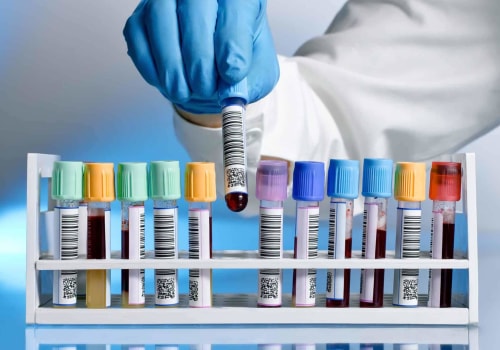
Moreover, advancements in diagnostic technologies have significantly enhanced our ability to detect diseases at earlier stages, which is crucial for conditions such as cancer, diabetes, and cardiovascular diseases. Early detection often translates into better prognoses and increased survival rates. There are various types of medical diagnostics, each serving a unique purpose in the healthcare continuum. These include laboratory tests, such as blood tests and urinalysis; imaging techniques, like X-rays, MRIs, and CT scans; and biopsies, which involve the examination of tissue samples. Each type plays a critical role in providing a comprehensive understanding of a patient's health status. As we delve deeper into the topic of how cultural and societal factors influence access to these vital medical diagnostics, it becomes clear that understanding the foundational elements of diagnostics is crucial.
The interplay between healthcare accessibility and cultural perceptions can significantly impact how individuals seek out and utilize diagnostic services.
Cultural Factors Affecting Access to Medical Diagnostics
Cultural factors play a significant role in shaping individuals' perceptions of health and their willingness to seek medical diagnostics. Different cultures have unique beliefs about health, illness, and the body, which can influence how people interpret symptoms and decide when to seek medical help. For instance, in some cultures, health may be viewed as a balance between physical, emotional, and spiritual well-being, leading individuals to prioritize alternative healing practices over conventional medical diagnostics.Cultural Beliefs and Health
- Traditional Healing Practices: Many cultures have established traditional healing practices that may be preferred over modern medical approaches. This preference can lead to delays in seeking necessary diagnostics.
- Perceptions of Illness: In certain cultures, illness may be seen as a punishment or a result of spiritual imbalance, which can deter individuals from pursuing medical diagnostics.
Cultural Stigma in Healthcare
Cultural stigma surrounding certain health conditions can also impede access to medical diagnostics.
For example, mental health issues often carry significant stigma in many societies, leading individuals to avoid seeking help or diagnostic evaluations. This stigma can result in:
- Fear of Judgment: Individuals may fear being judged by their community or healthcare providers, which can prevent them from discussing symptoms or seeking necessary tests.
- Lack of Awareness: Cultural misconceptions about certain diseases can lead to a lack of awareness regarding the importance of early diagnosis and treatment.
Cultural Competence in Diagnostics
The role of cultural competence among healthcare providers is crucial in addressing these barriers. Healthcare professionals who understand and respect cultural differences are better equipped to:
- Build Trust: Establishing trust with patients from diverse backgrounds encourages them to seek medical diagnostics.
- Communicate Effectively: Culturally competent providers can communicate health information in ways that resonate with patients' beliefs and values.
Societal Influences on Medical Diagnostics Access
Access to medical diagnostics is significantly influenced by societal factors, particularly through the lens of socioeconomic status and healthcare policies.These elements create a framework that can either facilitate or hinder individuals' ability to obtain necessary diagnostic services.
Societal Norms and Health Access
Societal norms play a crucial role in shaping perceptions about health and wellness. In communities where health issues are stigmatized, individuals may be less likely to seek out medical diagnostics. This stigma can be particularly pronounced in marginalized groups, where cultural beliefs may prioritize alternative healing practices over conventional medical interventions. As a result, the reluctance to engage with healthcare systems can lead to delayed diagnoses and poorer health outcomes.Socioeconomic Status and Diagnostics
The impact of socioeconomic status on access to medical diagnostics cannot be overstated.Individuals from lower-income backgrounds often face significant barriers, including:
- Financial Constraints: The cost of diagnostic tests can be prohibitive, especially for uninsured or underinsured individuals.
- Geographic Barriers: Rural areas may lack adequate healthcare facilities, making it difficult for residents to access necessary diagnostic services.
- Education and Awareness: Lower levels of education can lead to a lack of awareness about available diagnostic options and their importance.
Healthcare Policies Impact on Diagnostics
Healthcare policies also play a pivotal role in determining access to medical diagnostics. Policies that promote universal healthcare coverage can enhance access by reducing financial barriers. Conversely, restrictive policies may exacerbate disparities. For instance, policies that limit funding for diagnostic services in low-income areas can lead to significant gaps in care.Furthermore, the implementation of telehealth services has emerged as a potential solution to bridge these gaps, allowing patients in underserved areas to access diagnostic consultations remotely.In conclusion, understanding the interplay between societal influences, socioeconomic status, and healthcare policies is essential for addressing disparities in access to medical diagnostics. By recognizing these factors, stakeholders can work towards creating more equitable healthcare systems that ensure all individuals have the opportunity to receive timely and effective diagnostic care.
Barriers to Accessing Medical Diagnostics
Accessing medical diagnostics is often hindered by a variety of barriers that can significantly impact an individual's ability to receive timely and effective healthcare. Understanding these barriers is crucial for addressing disparities in health outcomes.Financial Barriers
One of the most significant obstacles to accessing medical diagnostics is financial constraints. Many individuals lack adequate health insurance, which can lead to high out-of-pocket costs for diagnostic tests.Even with insurance, high deductibles and copayments can deter patients from seeking necessary evaluations. This financial burden disproportionately affects low-income populations, who may prioritize immediate needs over healthcare expenses.
Geographic Barriers
Geographic location plays a critical role in access to medical diagnostics. Rural areas often have limited healthcare facilities, resulting in longer travel times and increased costs for patients seeking diagnostic services. In some cases, individuals may need to travel significant distances to reach a hospital or clinic equipped with the necessary diagnostic tools, which can be a substantial barrier for those without reliable transportation.Education Barriers
Lack of education or awareness about medical diagnostics can also impede access.Many individuals may not understand the importance of diagnostic tests or may be unaware of available services. This lack of knowledge can lead to delays in seeking care or even avoidance of necessary medical attention altogether. Educational initiatives aimed at increasing awareness about the significance of early diagnosis and available resources are essential in overcoming this barrier.In summary, addressing the barriers to accessing medical diagnostics requires a multifaceted approach that considers financial, geographic, and educational factors. By identifying and mitigating these challenges, we can improve healthcare access and outcomes for all individuals.
Case Studies: Cultural and Societal Impacts on Diagnostics Access
Understanding the impact of cultural and societal factors on access to medical diagnostics can be greatly enhanced through real-world case studies.These examples illustrate the disparities that exist in healthcare systems and how they affect different communities.
Case Study 1: Rural Healthcare Access in the United States
In rural areas of the United States, access to medical diagnostics is often limited due to geographical barriers and a shortage of healthcare professionals. For instance, a study conducted in Appalachia revealed that residents frequently traveled over an hour to reach diagnostic facilities. This not only delayed diagnosis but also discouraged individuals from seeking necessary care. Cultural attitudes towards healthcare, where some view medical intervention as a last resort, further exacerbate this issue.Case Study 2: Cultural Beliefs in Indigenous Communities
Indigenous populations often face unique challenges regarding medical diagnostics.A case study involving Native American communities highlighted how traditional beliefs can influence health-seeking behavior. Many individuals preferred to consult traditional healers rather than seek out modern diagnostic services. This cultural preference can lead to late diagnoses of conditions such as diabetes or hypertension, which are prevalent in these communities.
Case Study 3: Socioeconomic Status and Urban Disparities
A study in urban settings showed that socioeconomic status significantly impacts access to medical diagnostics. In low-income neighborhoods, residents reported higher rates of undiagnosed chronic illnesses due to lack of insurance and financial constraints.For example, a community health initiative in Chicago aimed at increasing awareness about diabetes screening found that many participants had never undergone basic diagnostic tests due to cost barriers and lack of transportation.These case studies underscore the importance of recognizing how cultural and societal factors shape access to medical diagnostics. Addressing these disparities requires tailored approaches that consider the unique needs and beliefs of different communities.
Strategies for Improving Access to Medical Diagnostics
Improving access to medical diagnostics requires a multifaceted approach that addresses both cultural and societal barriers. Here are several actionable strategies that can be implemented:- Community Health Initiatives: Establishing community health programs that focus on education and outreach can significantly enhance awareness about available diagnostic services. These initiatives should be tailored to the specific cultural contexts of the communities they serve, ensuring that information is accessible and relatable.
- Policy Changes: Advocating for policy reforms that prioritize healthcare equity is crucial.
This includes pushing for legislation that mandates insurance coverage for a broader range of diagnostic tests, particularly for underserved populations.
- Cultural Competency Training: Healthcare providers should undergo training to improve their understanding of cultural differences and biases. This training can help them communicate more effectively with patients from diverse backgrounds, thereby increasing trust and encouraging individuals to seek necessary diagnostics.
- Partnerships with Local Organizations: Collaborating with local non-profits and community organizations can help bridge gaps in access. These partnerships can facilitate mobile diagnostic units or free screening events, making it easier for individuals to receive care.
- Telehealth Services: Expanding telehealth options can provide greater access to diagnostic consultations, especially in rural or underserved areas. By leveraging technology, patients can receive timely advice and referrals without the need for extensive travel.
Engaging communities in the process ensures that solutions are relevant and effective, ultimately leading to better health outcomes for all.
Future Trends in Medical Diagnostics Accessibility
The future of medical diagnostics is poised for significant transformation, driven by technological advancements and a growing emphasis on healthcare equity. As we look ahead, several key trends are emerging that promise to enhance accessibility to medical diagnostics for diverse populations.Telemedicine and Remote Monitoring
- Telemedicine has gained traction, especially in the wake of the COVID-19 pandemic, allowing patients to consult healthcare providers from the comfort of their homes. This shift not only reduces geographical barriers but also addresses time constraints and transportation issues that often hinder access to diagnostic services.
- Remote monitoring technologies, such as wearable devices, enable continuous health tracking, providing real-time data that can lead to timely diagnostics and interventions.
Artificial Intelligence and Machine Learning
- AI and machine learning are revolutionizing the way diagnostics are performed. These technologies can analyze vast amounts of data quickly and accurately, leading to earlier detection of diseases and more personalized treatment plans.
- Moreover, AI can help identify patterns in health disparities, allowing for targeted interventions that address specific cultural and societal barriers to access.
Healthcare Equity Initiatives
- As awareness of healthcare disparities grows, initiatives aimed at promoting healthcare equity are becoming more prevalent.
These initiatives focus on ensuring that all communities have equal access to medical diagnostics, regardless of socioeconomic status or cultural background.
- Partnerships between public health organizations and technology companies are being formed to develop solutions tailored to underserved populations, ensuring that advancements in medical diagnostics benefit everyone.
Conclusion: The Path Forward for Medical Diagnostics Access
In conclusion, the journey towards equitable access to medical diagnostics is multifaceted, deeply intertwined with cultural and societal factors.Throughout this article, we have explored how these elements shape individuals' perceptions of health, influence their willingness to seek care, and ultimately determine their access to essential diagnostic services.One of the most significant takeaways is the need for a comprehensive understanding of cultural beliefs and practices. For instance, in some communities, traditional healing methods may be preferred over modern diagnostics, leading to a reluctance to engage with healthcare systems. Addressing these cultural nuances is crucial for healthcare providers and policymakers aiming to improve access.Moreover, societal factors such as socioeconomic status, education level, and geographic location play a pivotal role in determining access to medical diagnostics. Individuals from lower socioeconomic backgrounds often face barriers such as lack of transportation, financial constraints, and limited health literacy.
These challenges can prevent timely diagnosis and treatment, exacerbating health disparities.To pave the way forward, it is essential to implement targeted strategies that consider these cultural and societal influences. This could include:
- Community Engagement: Involving local leaders and organizations in health initiatives can foster trust and encourage individuals to seek diagnostic services.
- Education and Awareness: Programs aimed at increasing health literacy can empower individuals to understand the importance of medical diagnostics and navigate the healthcare system effectively.
- Policy Reform: Advocating for policies that address systemic inequalities will help ensure that all individuals have access to necessary diagnostic tools regardless of their background.