Medical diagnostics is a critical component of modern healthcare, serving as the foundation for identifying diseases, monitoring health conditions, and guiding treatment decisions. It encompasses a wide range of techniques and tools that healthcare professionals use to assess a patient's health status. Understanding the various types of medical diagnostics is essential not only for practitioners but also for patients who seek to be informed about their health journeys. The importance of medical diagnostics cannot be overstated. Accurate diagnosis is pivotal in ensuring that patients receive the appropriate care in a timely manner.
Early detection of diseases can significantly improve treatment outcomes and enhance the quality of life for patients. Moreover, advancements in diagnostic technologies have revolutionized the way healthcare providers approach patient care, making it possible to detect conditions that were once difficult to diagnose. As we delve deeper into the world of medical diagnostics, we will explore its various types, including laboratory tests, imaging studies, and physical examinations. Each type plays a unique role in the diagnostic process, contributing to a comprehensive understanding of a patient's health. By familiarizing ourselves with these different diagnostic methods, we can appreciate their significance in delivering effective healthcare solutions.
Laboratory Tests
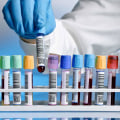
Laboratory tests are a cornerstone of medical diagnostics, providing critical information that aids healthcare professionals in diagnosing and managing various health conditions.These tests analyze samples of blood, urine, and other bodily fluids to detect abnormalities, monitor health status, and guide treatment decisions.
Types of Laboratory Tests
- Blood Tests: Blood tests are among the most common laboratory tests. They can assess a wide range of health indicators, including:
- Complete Blood Count (CBC): Evaluates overall health and detects disorders such as anemia and infection.
- Blood Chemistry Tests: Measure various chemicals in the blood, providing insights into organ function and metabolic processes.
- Coagulation Tests: Assess the blood's ability to clot, which is crucial for patients on anticoagulant therapy.
- Urine Tests: Urinalysis is another vital diagnostic tool. It can help identify:
- Infections: Presence of bacteria or white blood cells may indicate a urinary tract infection.
- Kidney Function: Abnormal levels of protein or glucose can signal kidney disease or diabetes.
- Metabolic Disorders: Certain substances in urine can indicate metabolic issues or hormonal imbalances.
- Other Bodily Fluid Analyses: Beyond blood and urine, other fluids such as cerebrospinal fluid (CSF) and synovial fluid can be analyzed to diagnose conditions like meningitis or arthritis.
As technology advances, the accuracy and range of laboratory tests continue to improve, making them an indispensable part of modern medical diagnostics.
Imaging Techniques
Imaging techniques are essential tools in medical diagnostics, allowing healthcare professionals to visualize the internal structures of the body. These methods provide critical information that aids in the diagnosis and management of various medical conditions.X-rays
X-rays are one of the oldest and most commonly used imaging techniques. They work by passing a controlled amount of radiation through the body, which is then captured on film or a digital sensor. X-rays are particularly effective for examining bones and detecting fractures, as well as identifying certain diseases in soft tissues, such as pneumonia in the lungs.Magnetic Resonance Imaging (MRI)
MRIs utilize strong magnetic fields and radio waves to generate detailed images of organs and tissues within the body.Unlike X-rays, MRIs do not use ionizing radiation, making them a safer option for many patients. This technique is especially useful for imaging the brain, spinal cord, and joints, providing high-resolution images that can reveal abnormalities such as tumors or degenerative diseases.
Computed Tomography (CT) Scans
CT scans, or computed tomography scans, combine multiple X-ray images taken from different angles to create cross-sectional views of the body. This technique offers more detailed information than standard X-rays and is invaluable in diagnosing conditions such as cancers, internal injuries, and complex bone fractures. CT scans are often used in emergency settings due to their speed and accuracy.In summary, imaging techniques like X-rays, MRIs, and CT scans play a crucial role in medical diagnostics.Each method has its unique advantages and applications, enabling healthcare providers to make informed decisions about patient care.
Endoscopic Procedures
Endoscopic procedures are vital tools in the field of medical diagnostics, allowing healthcare professionals to visualize and assess internal organs without the need for invasive surgery. These procedures utilize a flexible tube equipped with a camera and light source, known as an endoscope, which can be inserted through natural openings or small incisions.Types of Endoscopy
- Gastrointestinal Endoscopy: This type focuses on examining the digestive tract, including the esophagus, stomach, and intestines. Common procedures include esophagogastroduodenoscopy (EGD) and colonoscopy.
- Bronchoscopy: Used to inspect the airways and lungs, bronchoscopy helps diagnose conditions such as infections, tumors, or chronic obstructive pulmonary disease (COPD).
- Cystoscopy: This procedure allows for the examination of the bladder and urethra, often used to investigate urinary tract symptoms or bladder cancer.
- Laparoscopy: Although primarily a surgical technique, laparoscopy can also serve diagnostic purposes by allowing visualization of abdominal organs through small incisions.
- Arthroscopy: This minimally invasive procedure is used to examine joints, such as the knee or shoulder, providing insights into injuries or degenerative conditions.
During these procedures, biopsies may also be taken to further analyze tissue samples for abnormalities.Overall, endoscopic procedures play a crucial role in medical diagnostics, offering a less invasive alternative to traditional surgical methods while providing detailed visual information that aids in accurate diagnosis and treatment planning.
Genetic Testing
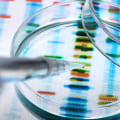
Genetic testing is a powerful tool in the field of medical diagnostics, allowing healthcare professionals to analyze an individual's DNA to identify genetic disorders and predispositions to certain diseases. This form of testing has gained significant traction in recent years, particularly for its role in diagnosing hereditary diseases.There are several types of genetic tests, each serving a unique purpose:- Diagnostic Testing: This type is used to confirm or rule out a specific genetic condition in individuals who exhibit symptoms.
- Carrier Testing: Often used by couples planning a family, this test determines if one partner carries a gene for a recessive genetic disorder that could be passed on to their children.
- Predictive and Presymptomatic Testing: These tests assess the risk of developing certain diseases, such as Huntington's disease, before symptoms appear.
- Newborn Screening: Conducted shortly after birth, this testing identifies genetic disorders that can be treated early in life, significantly improving health outcomes.
- Pharmacogenomic Testing: This type evaluates how an individual's genetic makeup affects their response to medications, helping to tailor treatments for better efficacy and safety.
Its ability to provide insights into an individual's health risks not only enhances patient care but also contributes to the broader understanding of genetics in medicine.
Functional Tests
Functional tests are essential components of medical diagnostics that evaluate how well specific organs or systems are functioning. These tests provide critical insights into a patient's health status and help guide treatment decisions.One of the most common types of functional tests is the stress test, primarily used to assess cardiovascular health. During a stress test, patients are monitored while they exercise on a treadmill or stationary bike, allowing healthcare providers to observe how the heart responds to physical exertion. This test can reveal issues such as arrhythmias, ischemia, or other heart-related conditions that may not be apparent at rest.Another important category of functional tests includes pulmonary function tests (PFTs), which measure how well the lungs are working.These tests assess various parameters, including lung volume, capacity, and the flow of air in and out of the lungs. PFTs are crucial for diagnosing conditions like asthma, chronic obstructive pulmonary disease (COPD), and other respiratory disorders.
- Types of Functional Tests in Medicine:
- Cardiac Stress Tests: Evaluate heart function under stress.
- Pulmonary Function Tests: Assess lung capacity and airflow.
- Exercise Tolerance Tests: Measure physical endurance and cardiovascular response.
- Electromyography (EMG): Tests muscle response to nerve stimulation.
- Neuropsychological Tests: Evaluate cognitive function and brain health.
Point-of-Care Testing (POCT)
Point-of-care testing (POCT) refers to medical diagnostic tests that are performed at or near the site of patient care. This approach allows for immediate results, facilitating quicker clinical decisions and enhancing patient management.Examples of POCT
- Blood glucose monitoring: Commonly used by diabetic patients to manage their blood sugar levels effectively.
- Rapid strep tests: These tests can quickly determine the presence of streptococcal bacteria in throat swabs.
- Urinalysis: Tests conducted on urine samples to detect various conditions, including urinary tract infections.
- COVID-19 antigen tests: Rapid tests that provide results within minutes, crucial during the pandemic for quick screening.
Benefits of POCT
- Speed: One of the most significant advantages of POCT is the rapid turnaround time for results, often within minutes.
This immediacy can be critical in emergency situations.
- Convenience: POCT can be performed in various settings, including clinics, pharmacies, and even patients' homes, making it accessible and user-friendly.
- Improved patient outcomes: By providing timely information, POCT enables healthcare providers to make informed decisions quickly, which can lead to better health outcomes.
- Cost-effectiveness: Reducing the need for laboratory visits and streamlining the diagnostic process can lower overall healthcare costs.
Emerging Technologies in Medical Diagnostics
The landscape of medical diagnostics is rapidly evolving, driven by advancements in technology that promise to enhance the accuracy and efficiency of disease detection. Among these innovations, artificial intelligence (AI) stands out as a transformative force, enabling healthcare professionals to analyze vast amounts of data with unprecedented speed and precision.AI in diagnostics
leverages machine learning algorithms to identify patterns in medical data, such as imaging studies and laboratory results. This capability not only aids in early detection of conditions like cancer but also reduces the likelihood of human error.For instance, AI systems can analyze radiology images to detect anomalies that may be missed by the human eye, thereby improving diagnostic outcomes.Another promising area is the integration of wearable technology in medical diagnostics. Devices such as smartwatches and fitness trackers are increasingly equipped with sensors that monitor vital signs and other health metrics in real-time. This continuous data collection allows for proactive health management and can alert users and healthcare providers to potential health issues before they escalate.Moreover, advancements in genomic diagnostics are paving the way for personalized medicine. By analyzing an individual’s genetic makeup, healthcare providers can tailor treatments to the specific needs of patients, enhancing the effectiveness of interventions and minimizing adverse effects.As we look to the future of medical diagnostics, it is clear that these emerging technologies will play a crucial role in shaping healthcare delivery.
The combination of AI, wearable devices, and genomic analysis not only promises to improve diagnostic accuracy but also aims to make healthcare more accessible and efficient for patients worldwide.
FAQs about Medical Diagnostics
Medical diagnostics play a crucial role in identifying health conditions and guiding treatment decisions. Here are some frequently asked questions regarding this essential aspect of healthcare:What are the common types of medical diagnostics?
Medical diagnostics can be broadly categorized into several types, including:- Laboratory tests: These include blood tests, urine tests, and other bodily fluid analyses that help detect diseases.
- Imaging tests: Techniques such as X-rays, MRIs, and CT scans provide visual representations of the body's internal structures.
- Biopsies: This involves taking a small sample of tissue for examination under a microscope to identify cancer or other conditions.
- Genetic testing: These tests analyze DNA to identify genetic disorders or predispositions to certain diseases.
How do I choose the right diagnostic test?
Selecting the appropriate diagnostic test can be challenging. Here are some factors to consider:- Your symptoms: Discuss your symptoms with your healthcare provider to determine which tests are most relevant.
- Test availability: Some tests may not be available in all healthcare facilities, so check with your provider.
- Cost and insurance coverage: Consider the financial aspect and whether your insurance covers the test.
What is the accuracy of diagnostic tests?
The accuracy of diagnostic tests can vary significantly based on several factors:- Sensitivity and specificity: Sensitivity refers to a test's ability to correctly identify those with a disease, while specificity measures its ability to correctly identify those without it.
- Quality of the sample: The accuracy can be affected by how well the sample is collected and handled.
- Technological advancements: Newer technologies often provide more accurate results compared to older methods.