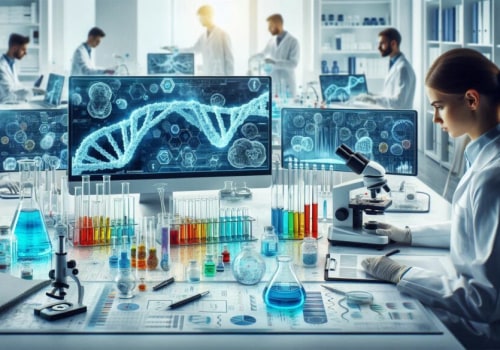
Medical diagnostics is a critical component of modern healthcare, serving as the foundation for effective treatment and patient care. It encompasses a wide range of techniques and tools used to identify diseases, conditions, and injuries. By providing accurate and timely information about a patient's health status, medical diagnostics enables healthcare professionals to make informed decisions, ultimately leading to better patient outcomes. There are several types of medical diagnostics, each tailored to specific needs and circumstances. These include laboratory tests, imaging studies such as X-rays and MRIs, and physical examinations.
Each method plays a unique role in the diagnostic process, allowing clinicians to gather comprehensive data about a patient's condition. For instance, laboratory tests can reveal biochemical imbalances, while imaging studies provide visual insights into anatomical structures. The importance of medical diagnostics cannot be overstated. It not only aids in the early detection of diseases but also helps in monitoring the effectiveness of treatments. In an era where evidence-based medicine is paramount, the role of diagnostics becomes even more significant.
Accurate diagnostic information supports clinical guidelines and protocols, ensuring that patients receive care that is grounded in the latest scientific evidence. This synergy between diagnostics and treatment fosters a healthcare environment where decisions are made based on reliable data rather than assumptions.
The Principles of Evidence-Based Medicine
Evidence-based medicine (EBM) is a systematic approach to clinical practice that integrates the best available research evidence with clinical expertise and patient values. This triad forms the foundation of EBM, ensuring that healthcare decisions are informed by the most reliable data while also considering individual patient circumstances.At its core, EBM emphasizes the importance of using clinical evidence derived from well-conducted research studies. This evidence can come from various sources, including randomized controlled trials, cohort studies, and meta-analyses.The goal is to apply findings from these studies to improve patient outcomes and enhance the quality of care.Another key principle of EBM is the incorporation of patient values and preferences into clinical decision-making. This means that healthcare providers must engage patients in discussions about their treatment options, taking into account their unique situations, beliefs, and desires. By doing so, practitioners can tailor interventions that not only align with scientific evidence but also resonate with what patients truly want.The importance of EBM cannot be overstated. It fosters a culture of continuous learning and adaptation within the medical community, encouraging practitioners to stay updated on the latest research findings.
Furthermore, EBM enhances the transparency of medical practices, as decisions are based on objective data rather than anecdotal experiences or outdated traditions.In summary, understanding the principles of evidence-based medicine is crucial for recognizing how medical diagnostics play a vital role in this framework. Diagnostics provide the necessary information to inform clinical decisions, ensuring that treatments are not only effective but also aligned with patient needs and preferences.
How Medical Diagnostics Support Evidence-Based Medicine
Medical diagnostics play a pivotal role in the framework of evidence-based medicine (EBM), serving as the foundation upon which clinical decisions are made. By providing accurate and timely information about a patient's health status, diagnostics enable healthcare professionals to tailor treatments that are not only effective but also aligned with the latest research findings.One of the primary ways that medical diagnostics support EBM is through enhancing clinical decision-making. When clinicians have access to reliable diagnostic tests, they can make informed choices regarding patient care.For instance, diagnostic imaging techniques such as MRI and CT scans allow for precise identification of conditions, leading to targeted interventions. This reduces the likelihood of misdiagnosis and ensures that patients receive appropriate treatments based on their specific needs.Moreover, medical diagnostics contribute significantly to improving patient outcomes. By utilizing evidence-based diagnostic tools, healthcare providers can monitor disease progression and treatment efficacy more effectively. For example, regular blood tests can help track the effectiveness of diabetes management strategies, allowing for timely adjustments to treatment plans.
This proactive approach not only enhances patient safety but also fosters a collaborative relationship between patients and providers.Additionally, diagnostics provide essential data that inform treatment protocols. Clinical guidelines often rely on diagnostic criteria to recommend specific interventions. For instance, the identification of biomarkers through laboratory tests can guide oncologists in selecting personalized therapies for cancer patients. This integration of diagnostic data into clinical guidelines exemplifies how EBM leverages medical diagnostics to optimize care.In summary, the integration of medical diagnostics into evidence-based medicine is crucial for enhancing clinical decision-making, improving patient outcomes, and providing reliable data for treatment protocols.
As technology advances and new diagnostic methods emerge, their role in EBM will continue to evolve, further solidifying their importance in modern healthcare.
Case Studies: Successful Integration of Diagnostics in EBM
The integration of medical diagnostics into evidence-based medicine (EBM) has been exemplified through various case studies that showcase its effectiveness in improving patient outcomes. These real-world examples highlight how diagnostic tools and strategies can enhance clinical decision-making.Case Study 1: Early Detection of Lung Cancer
A prominent case study involved the use of low-dose computed tomography (CT) scans for the early detection of lung cancer in high-risk populations. Research demonstrated that patients screened with low-dose CT had a 20% reduction in lung cancer mortality compared to those who received standard chest X-rays. This evidence led to the incorporation of CT screening into clinical guidelines, showcasing how diagnostic advancements can significantly impact survival rates.Case Study 2: Diabetes Management through Continuous Glucose Monitoring
Another compelling example is the implementation of continuous glucose monitoring (CGM) systems in managing diabetes.A study revealed that patients using CGM experienced better glycemic control and reduced hypoglycemic events compared to those relying solely on traditional fingerstick testing. This case illustrates how integrating advanced diagnostic technologies into treatment plans can lead to improved health outcomes and quality of life for patients.
Case Study 3: Genetic Testing for Personalized Medicine
The use of genetic testing in oncology has transformed treatment approaches for various cancers. For instance, patients with non-small cell lung cancer who underwent genetic profiling were more likely to receive targeted therapies based on their tumor's specific mutations. This personalized approach not only enhances treatment efficacy but also minimizes unnecessary side effects, demonstrating the power of diagnostics in tailoring patient care.These case studies underscore the critical role that medical diagnostics play in EBM, providing clinicians with the necessary tools to make informed decisions that ultimately lead to better patient outcomes.By leveraging evidence from diagnostic practices, healthcare providers can ensure that their interventions are both effective and aligned with the latest scientific research.
Challenges and Limitations of Medical Diagnostics in EBM
While medical diagnostics play a crucial role in the framework of evidence-based medicine (EBM), several challenges and limitations can hinder their effectiveness. Understanding these barriers is essential for improving diagnostic practices and enhancing patient outcomes.- Variability in Diagnostic Accuracy: One of the primary challenges in medical diagnostics is the variability in accuracy across different tests and technologies. Factors such as the skill of the healthcare provider, the quality of the diagnostic tools, and patient-specific variables can lead to inconsistent results.
- Access to Advanced Diagnostics: Not all healthcare facilities have access to the latest diagnostic technologies. This disparity can create a gap in the quality of care provided, particularly in underserved areas where resources are limited.
- Cost Considerations: The financial burden associated with advanced diagnostic tests can be a significant barrier.
High costs may lead to underutilization of necessary tests, ultimately affecting the quality of care and adherence to EBM principles.
- Interpretation Challenges: Even when diagnostic tests are performed accurately, interpreting the results can be complex. Clinicians must integrate these findings with clinical judgment and patient history, which can sometimes lead to misdiagnosis or delayed treatment.
- Patient Compliance: The effectiveness of medical diagnostics also relies on patient compliance. Patients may fail to follow through with recommended tests due to various reasons, including fear, misunderstanding of the importance, or logistical issues.
Future Trends in Medical Diagnostics and Evidence-Based Medicine
The landscape of medical diagnostics is rapidly evolving, driven by technological advancements and a growing emphasis on evidence-based medicine.As we look to the future, several key trends are emerging that promise to enhance diagnostic accuracy and patient outcomes.
Innovations in Diagnostics
One of the most significant innovations in medical diagnostics is the integration of artificial intelligence (AI) and machine learning. These technologies are being utilized to analyze vast amounts of data from various sources, including imaging studies and genetic information. By identifying patterns that may not be visible to the human eye, AI can assist healthcare professionals in making more informed decisions based on robust evidence.Point-of-Care Testing
Another trend is the rise of point-of-care testing (POCT), which allows for rapid diagnostic results at the site of patient care. This shift not only speeds up the decision-making process but also enhances patient engagement by providing immediate feedback.As POCT becomes more sophisticated, it will likely play a crucial role in supporting evidence-based medicine by ensuring timely interventions.
Personalized Medicine
The future of medical diagnostics is also leaning towards personalized medicine, where diagnostics are tailored to individual patients based on their unique genetic makeup. This approach not only improves the accuracy of diagnoses but also aligns treatment plans with specific patient needs, thereby enhancing the overall effectiveness of care.Telemedicine and Remote Monitoring
The expansion of telemedicine and remote monitoring technologies is another trend that will shape the future of evidence-based medicine. These tools enable continuous health monitoring and facilitate timely interventions based on real-time data. As remote diagnostics become more prevalent, they will contribute to a more comprehensive understanding of patient health, further supporting evidence-based practices.In conclusion, the future of medical diagnostics is poised for transformative changes that will significantly impact evidence-based medicine.By embracing innovations such as AI, POCT, personalized medicine, and telehealth solutions, healthcare providers can enhance diagnostic accuracy and improve patient outcomes.
FAQs about Medical Diagnostics and Evidence-Based Medicine
Medical diagnostics play a crucial role in the practice of evidence-based medicine (EBM). Here are some frequently asked questions that clarify their relationship:- What are medical diagnostics? Medical diagnostics refer to the processes and techniques used to identify diseases and health conditions through various tests and evaluations. These can include laboratory tests, imaging studies, and physical examinations.
- How do medical diagnostics support evidence-based medicine? Medical diagnostics provide the data needed to make informed clinical decisions. By integrating diagnostic results with the best available research evidence, healthcare providers can tailor treatments to individual patients, enhancing outcomes.
- What are common misconceptions about medical diagnostics in EBM? One common misconception is that diagnostic tests alone can determine treatment plans.
In reality, EBM emphasizes the integration of diagnostic data with clinical expertise and patient preferences.
- Are all diagnostic tests equally reliable? No, not all diagnostic tests have the same level of accuracy or reliability. It is essential to consider the sensitivity, specificity, and overall validity of each test when applying EBM principles.
- How can patients be involved in the diagnostic process? Patients can engage in their healthcare by asking questions about the necessity and implications of diagnostic tests. Understanding their role in EBM helps them make informed decisions about their treatment options.