In the realm of healthcare, medical diagnostics serves as a cornerstone for effective patient care and treatment. It encompasses a wide array of tests and procedures designed to identify diseases, monitor health conditions, and guide therapeutic decisions. The significance of medical diagnostics cannot be overstated; it not only aids in the early detection of illnesses but also plays a pivotal role in tailoring individualized treatment plans that enhance patient outcomes. The role of medical diagnostics extends beyond mere identification of ailments. It provides healthcare professionals with critical insights into a patient's health status, enabling them to make informed decisions regarding interventions and management strategies.
For instance, accurate diagnostic testing can lead to timely treatments that significantly improve recovery rates and reduce the risk of complications. Furthermore, advancements in diagnostic technologies have revolutionized the way healthcare providers approach patient care, allowing for more precise and less invasive methods. As we delve deeper into the world of medical diagnostics, it becomes clear that its impact is profound and far-reaching. From routine screenings to complex imaging techniques, each diagnostic tool contributes to a comprehensive understanding of health conditions. This section will explore the various facets of medical diagnostics, emphasizing its essential role in shaping the future of healthcare and improving the quality of life for patients worldwide.
What Are Medical Diagnostics?
Medical diagnostics refers to the process of identifying diseases and health conditions through various tests and procedures.This field plays a crucial role in modern medicine, enabling healthcare professionals to make informed decisions regarding patient care.At its core, medical diagnostics encompasses a wide range of techniques and tools designed to assess an individual's health status. These methods can be broadly categorized into several types:
- Laboratory Tests: These include blood tests, urine tests, and other analyses that provide valuable information about a patient's internal environment.
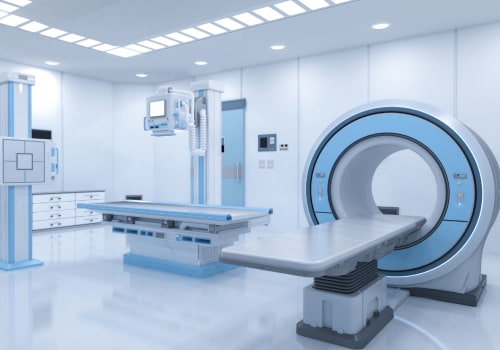
- Imaging Techniques: Methods such as X-rays, MRIs, and CT scans allow doctors to visualize the internal structures of the body, aiding in the diagnosis of various conditions.
- Biopsies: This involves taking a small sample of tissue for examination under a microscope, which can help identify cancerous cells or other abnormalities.
- Electrophysiological Tests: These tests measure the electrical activity of organs, such as the heart or brain, to detect irregularities.
It lays the groundwork for effective treatment plans and enhances overall health outcomes by ensuring that conditions are identified and addressed promptly.
The Purpose of Medical Diagnostics
Medical diagnostics serve a critical role in the healthcare system, primarily aimed at identifying and understanding health conditions. The purpose of medical diagnostics can be categorized into several key objectives that enhance patient care and treatment outcomes.- Disease Detection: One of the foremost purposes of medical diagnostics is to detect diseases at an early stage. Early detection can significantly improve the prognosis for many conditions, allowing for timely intervention and management.
- Monitoring Health Conditions: Medical diagnostics are essential for monitoring existing health conditions. Regular diagnostic tests help healthcare providers assess the progression of a disease, evaluate treatment effectiveness, and make necessary adjustments to care plans.
- Guiding Treatment Decisions: Accurate diagnostics inform treatment decisions by providing critical information about a patient's condition.
This ensures that healthcare professionals can tailor interventions to meet individual patient needs, optimizing therapeutic outcomes.
- Preventive Care: Beyond immediate diagnosis, medical diagnostics play a vital role in preventive care. Screening tests can identify risk factors or early signs of disease, enabling proactive measures to prevent the onset of serious health issues.
How Medical Diagnostics Improve Patient Outcomes
Effective medical diagnostics play a crucial role in enhancing patient outcomes by enabling healthcare providers to identify diseases and conditions accurately and promptly.When diagnoses are timely and precise, patients can receive appropriate treatments sooner, which significantly improves their chances of recovery.For instance, a study published in the Journal of Clinical Medicine found that early detection of conditions such as cancer through advanced diagnostic techniques led to a 30% increase in survival rates. This statistic underscores the importance of medical diagnostics in not only identifying health issues but also in facilitating timely interventions.Moreover, the impact of medical diagnostics extends beyond just individual cases. A comprehensive analysis by the World Health Organization (WHO) revealed that countries with robust diagnostic infrastructures experience lower mortality rates and improved overall public health. This correlation highlights how effective diagnostic practices can lead to better health outcomes on a larger scale.In addition to improving survival rates, accurate diagnostics also enhance the quality of patient care.
By utilizing advanced diagnostic tools, healthcare providers can:
- Personalize treatment plans: Tailoring therapies based on specific diagnoses ensures that patients receive the most effective care.
- Avoid unnecessary procedures: Accurate diagnostics help prevent misdiagnoses, reducing the risk of patients undergoing invasive tests or treatments that may not be needed.
- Monitor disease progression: Regular diagnostic assessments allow for ongoing evaluation of a patient's condition, enabling adjustments to treatment as necessary.
Technological Advancements in Medical Diagnostics
The field of medical diagnostics has witnessed remarkable transformations in recent years, primarily driven by advancements in technology. These innovations not only enhance the accuracy of diagnoses but also improve the efficiency of the entire healthcare system.Artificial Intelligence and Machine Learning
One of the most significant breakthroughs in medical diagnostics is the integration of artificial intelligence (AI) and machine learning. These technologies enable healthcare professionals to analyze vast amounts of data quickly and accurately.For instance, AI algorithms can identify patterns in imaging studies, such as X-rays and MRIs, that may be missed by the human eye. This capability leads to earlier detection of conditions like cancer, significantly improving patient outcomes.
Innovative Diagnostic Tools
In addition to AI, several innovative diagnostic tools have emerged. For example:- Point-of-care testing: Devices that allow for immediate testing and results at the patient's location, reducing wait times and facilitating timely treatment.
- Wearable technology: Gadgets that monitor vital signs continuously, providing real-time data that can alert healthcare providers to potential health issues before they escalate.
- Genomic testing: Advances in genomics enable personalized medicine approaches, allowing for tailored treatments based on an individual's genetic makeup.
As we move forward, the focus will likely shift towards enhancing patient engagement and ensuring that diagnostic processes are not only accurate but also accessible to all.
Challenges in Medical Diagnostics
Medical diagnostics plays a crucial role in identifying diseases and conditions, yet it faces several challenges that can hinder its effectiveness. Understanding these barriers is essential for improving diagnostic processes and patient outcomes. One significant challenge in medical diagnostics is accessibility. Many patients, particularly those in rural or underserved areas, may not have easy access to diagnostic facilities or advanced testing technologies. This can lead to delays in diagnosis and treatment, exacerbating health issues. Another critical issue is the occurrence of false positives and false negatives.A false positive can lead to unnecessary anxiety and invasive procedures, while a false negative may result in a missed diagnosis, allowing a condition to progress unchecked. These inaccuracies can stem from various factors, including:
- Human error: Misinterpretation of test results by healthcare professionals.
- Technical limitations: Inadequate sensitivity or specificity of diagnostic tests.
- Sample quality: Poorly collected or contaminated samples affecting test outcomes.
Stringent regulations are necessary to ensure safety and efficacy, but they can also slow down the introduction of potentially life-saving diagnostics into the market. Addressing these challenges is vital for enhancing the field of medical diagnostics. By improving accessibility, reducing errors, embracing technological advancements, and streamlining regulatory processes, we can work towards more effective diagnostic solutions that ultimately benefit patient care.
Future Trends in Medical Diagnostics
The landscape of medical diagnostics is rapidly evolving, driven by technological advancements and the increasing demand for personalized healthcare. As we look to the future, several key trends are emerging that promise to reshape the way diagnostics are conducted.Integration of Artificial Intelligence
One of the most significant trends in medical diagnostics is the integration of artificial intelligence (AI). AI algorithms are being developed to analyze complex medical data, enabling faster and more accurate diagnoses.These systems can learn from vast datasets, improving their predictive capabilities over time. For instance, AI is being utilized in radiology to identify anomalies in imaging studies that may be missed by the human eye.
Predictive Analytics
Predictive analytics is another emerging trend that leverages data mining, machine learning, and statistical techniques to predict health outcomes. By analyzing patient data, healthcare providers can identify at-risk populations and implement preventive measures before conditions worsen. This proactive approach not only enhances patient care but also reduces healthcare costs.Point-of-Care Testing
The shift towards point-of-care testing is also gaining momentum.This trend allows for immediate diagnostic results at the site of patient care, facilitating quicker decision-making. Technologies such as portable diagnostic devices and mobile health applications are making it easier for patients to receive timely diagnoses without the need for extensive laboratory testing.
Telemedicine and Remote Monitoring
The rise of telemedicine has transformed how diagnostics are delivered. Remote monitoring tools enable healthcare providers to track patient health metrics in real-time, allowing for timely interventions based on diagnostic data collected from home. This trend not only enhances accessibility but also empowers patients to take an active role in managing their health.As these trends continue to develop, the future of medical diagnostics looks promising.The integration of advanced technologies will not only improve diagnostic accuracy but also enhance patient outcomes, making healthcare more efficient and personalized.
FAQs About Medical Diagnostics
Medical diagnostics play a crucial role in the healthcare system, and many people have questions about their purpose and function. Here are some frequently asked questions regarding medical diagnostics.What are medical diagnostics?
Medical diagnostics refer to the processes and techniques used to identify diseases, conditions, or injuries through various tests and examinations. These can include blood tests, imaging studies, biopsies, and more. The primary goal is to provide accurate information that guides treatment decisions.Why are diagnostic tests important?
- Early detection: Many diseases can be treated more effectively when caught early.
Diagnostic tests help in identifying conditions before they progress.
- Personalized treatment: Understanding a patient's specific condition allows healthcare providers to tailor treatments that are more effective for individual needs.
- Monitoring health: Regular diagnostic tests can help track the progression of a disease or the effectiveness of a treatment plan.
Are diagnostic tests safe?
Most diagnostic tests are considered safe, but some may involve risks. For example, imaging tests like X-rays expose patients to radiation, while invasive procedures like biopsies carry a risk of infection. It's essential to discuss any concerns with your healthcare provider before undergoing a test.How do I prepare for a diagnostic test?
Preparation varies depending on the type of test. Some common preparations include:- Fasting: Certain blood tests may require you to fast for several hours beforehand.
- Avoiding medications: Some tests may require you to stop taking specific medications temporarily.
- Hydration: Drinking plenty of water may be necessary for certain imaging tests.
What should I do if I have questions about my test results?
If you have concerns or questions about your diagnostic test results, it’s important to reach out to your healthcare provider.They can explain what the results mean and discuss any necessary next steps or treatments.
Conclusion: The Vital Role of Medical Diagnostics in Modern Medicine
In conclusion, medical diagnostics serves as the cornerstone of effective healthcare, enabling healthcare professionals to make informed decisions that directly impact patient outcomes. Throughout this article, we have explored the multifaceted role of diagnostics in identifying diseases, monitoring health conditions, and guiding treatment plans. The significance of medical diagnostics can be summarized in several key points:- Early Detection: Timely diagnosis can lead to early intervention, which is crucial in managing diseases such as cancer and diabetes.
- Personalized Treatment: Diagnostics allow for tailored treatment plans that cater to the individual needs of patients, enhancing the effectiveness of therapies.
- Monitoring Progress: Regular diagnostic tests help track the progression of diseases and the effectiveness of treatments, ensuring that adjustments can be made as necessary.
- Preventive Care: Through screenings and assessments, medical diagnostics plays a vital role in preventive healthcare, helping to identify risk factors before they develop into serious conditions.