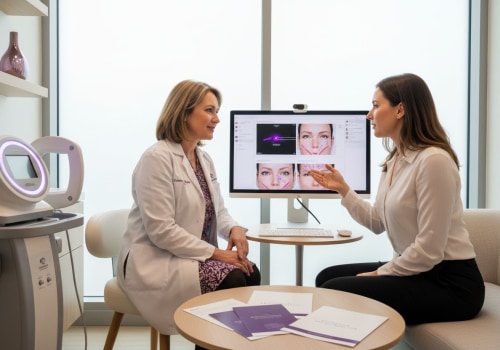
Medical diagnostics is a critical component of modern healthcare, serving as the foundation for identifying diseases and conditions that affect patients. It encompasses a wide range of techniques and tools used by healthcare professionals to assess an individual's health status. From blood tests and imaging studies to genetic screenings and biopsies, the types of medical diagnostics are diverse, each playing a unique role in the diagnostic process. Understanding these methods is essential for both patients and providers, as they directly influence treatment decisions and outcomes. The importance of medical diagnostics cannot be overstated.
Early detection of health issues often leads to more effective treatment options, improved patient outcomes, and even increased survival rates in some cases. For instance, conditions like cancer or diabetes can be managed more effectively when identified in their early stages. Moreover, timely diagnostics can help prevent complications that may arise from untreated conditions, ultimately reducing healthcare costs and enhancing the quality of life for patients. As we delve deeper into the benefits of early medical diagnostics, it becomes clear that the implications extend beyond individual health. They also impact public health systems by enabling better resource allocation and disease management strategies.
In an era where healthcare is increasingly data-driven, understanding the nuances of medical diagnostics is vital for fostering a proactive approach to health management.
The Role of Early Medical Diagnostics in Disease Prevention
Early medical diagnostics play a crucial role in the prevention of diseases by allowing healthcare professionals to identify potential health issues before they develop into more serious conditions. By implementing routine health screenings and diagnostic tests, individuals can gain insights into their health status and take proactive measures.One of the primary benefits of early medical diagnostics is the ability to detect risk factors associated with chronic diseases such as diabetes, heart disease, and cancer. For instance, regular blood tests can reveal elevated cholesterol levels or high blood sugar, prompting lifestyle changes or medical interventions that can significantly reduce the risk of developing these conditions.- Timely Interventions: Early detection allows for timely interventions, which can include lifestyle modifications, medication, or more frequent monitoring. This proactive approach can lead to better health outcomes and improved quality of life.
- Cost-Effectiveness: Identifying health issues early can also be cost-effective.
Treating a disease in its early stages is often less expensive than managing advanced stages that require more intensive treatment.
- Informed Decision-Making: Early diagnostics empower patients with knowledge about their health, enabling them to make informed decisions regarding their treatment options and lifestyle choices.
Improved Treatment Outcomes Through Early Detection
Early medical diagnostics play a crucial role in enhancing treatment outcomes for various health conditions.By identifying diseases at their initial stages, healthcare providers can implement targeted interventions that significantly improve patient prognosis.One of the primary benefits of early detection is the ability to initiate treatment before the disease progresses. For instance, in conditions such as cancer, early diagnosis can lead to higher success rates for treatments like surgery, chemotherapy, or radiation therapy. When cancer is detected early, the chances of complete remission increase dramatically, often resulting in a better quality of life for patients.Moreover, early medical diagnostics can help reduce the risk of complications associated with advanced disease stages. For example:
- Cardiovascular diseases: Early detection through diagnostic tests can lead to lifestyle changes and medications that prevent heart attacks or strokes.
- Diabetes: Identifying diabetes early allows for timely management of blood sugar levels, reducing the risk of severe complications such as neuropathy or kidney failure.
- Infectious diseases: Rapid diagnosis and treatment can prevent the spread of infections, protecting not only the individual but also the community.
With precise information about a patient's condition, healthcare providers can tailor therapies that align with individual needs and circumstances. This personalized approach not only enhances the effectiveness of treatments but also fosters patient engagement and adherence to prescribed regimens.In conclusion, the advantages of early medical diagnostics extend beyond mere identification of diseases. They pave the way for improved treatment outcomes, higher success rates, and reduced complications, ultimately leading to healthier lives and better healthcare experiences for patients.
Cost-Effectiveness of Early Medical Diagnostics
Early medical diagnostics play a crucial role in enhancing the cost-effectiveness of healthcare systems. By identifying diseases at their initial stages, healthcare providers can implement timely interventions that not only improve patient outcomes but also significantly reduce overall treatment costs.One of the primary financial benefits of early diagnosis is the reduction in the need for extensive and expensive treatments that often accompany advanced disease stages.For instance, conditions like cancer or diabetes, when detected early, can often be managed with less aggressive therapies, which are typically more affordable.
- Preventive Care Savings: Early diagnostics facilitate preventive care measures that can avert the progression of diseases. This proactive approach leads to lower hospitalization rates and fewer emergency interventions, translating to substantial savings for both patients and healthcare systems.
- Reduced Long-Term Costs: By catching diseases early, patients may avoid long-term complications that require ongoing treatment. For example, early detection of hypertension can prevent heart disease, which is far more costly to treat.
- Improved Resource Allocation: When healthcare systems prioritize early diagnostics, they can allocate resources more efficiently. This means less strain on emergency services and a better distribution of healthcare funds towards preventive measures.
For every dollar spent on early detection programs, healthcare systems can save multiple dollars in treatment costs down the line. This not only benefits individual patients but also contributes to the sustainability of healthcare systems as a whole.In conclusion, the cost-effectiveness of early medical diagnostics cannot be overstated. By prioritizing early detection and intervention, we can achieve significant healthcare savings while improving patient health outcomes.
Enhancing Patient Quality of Life with Early Diagnostics
Early medical diagnostics play a crucial role in enhancing the overall quality of life for patients. By identifying health issues at their nascent stages, patients can receive timely interventions that significantly improve their health outcomes.This proactive approach not only addresses medical conditions more effectively but also alleviates the emotional burden associated with uncertainty.One of the most profound benefits of early diagnostics is the reduction of anxiety. When patients are informed about their health status early on, they can make informed decisions regarding their treatment options. This clarity helps to mitigate fears and concerns that often accompany undiagnosed symptoms. For instance, knowing that a condition is manageable or treatable can provide immense peace of mind.Moreover, early diagnosis can lead to better patient outcomes.
Conditions such as cancer, diabetes, and heart disease often have better prognoses when detected early. Patients can engage in lifestyle changes or begin treatments sooner, which can lead to improved health and longevity. This not only enhances their physical well-being but also contributes positively to their mental and emotional health.
- Improved Treatment Options: Early detection allows for a wider range of treatment options, which can be less invasive and more effective.
- Increased Survival Rates: Many diseases have significantly higher survival rates when diagnosed early.
- Empowerment through Knowledge: Patients who understand their health conditions are more likely to adhere to treatment plans and make healthier lifestyle choices.
Technological Advances in Medical Diagnostics
Recent technological advances in medical diagnostics have revolutionized the way healthcare professionals detect and diagnose diseases.These innovations not only enhance the accuracy of diagnoses but also facilitate earlier detection, which is crucial for effective treatment.One of the most significant advancements is the development of point-of-care testing. This technology allows for immediate results at the site of patient care, reducing the time between testing and diagnosis. For instance, portable devices can now perform complex blood tests within minutes, enabling doctors to make informed decisions swiftly.Another notable innovation is the use of artificial intelligence (AI)
This capability not only improves diagnostic accuracy but also helps in predicting disease progression.Moreover, advancements in genomic testing have transformed personalized medicine. By analyzing a patient's genetic makeup, healthcare providers can tailor treatments to individual needs, leading to better outcomes. This approach is particularly beneficial in oncology, where understanding a tumor's genetic profile can guide targeted therapies.The future of medical diagnostics looks promising with ongoing research and development. Emerging technologies such as liquid biopsies, which detect cancer-related biomarkers in blood samples, hold the potential for non-invasive early detection of various cancers.
Additionally, wearable devices that continuously monitor health metrics are paving the way for proactive healthcare management.In conclusion, the integration of these advanced technologies into medical diagnostics not only enhances early detection but also significantly improves diagnostic accuracy and patient outcomes. As these innovations continue to evolve, they will undoubtedly play a pivotal role in shaping the future of healthcare.
Challenges and Limitations of Early Medical Diagnostics
While early medical diagnostics offer numerous advantages, they also come with a set of challenges and limitations that can impact their effectiveness. Understanding these issues is crucial for both healthcare providers and patients.Challenges in Medical Diagnostics
One of the primary challenges in early diagnostics is the potential for diagnostic errors. These errors can arise from various factors, including:- Inadequate training: Healthcare professionals may not always be equipped with the latest knowledge or skills necessary for accurate diagnosis.
- Complexity of symptoms: Many diseases present with overlapping symptoms, making it difficult to pinpoint the exact condition early on.
- Limitations of technology: Diagnostic tools may not always provide definitive results, leading to misinterpretations.
Limitations of Early Diagnosis
Another significant limitation is the psychological impact on patients.An early diagnosis can lead to unnecessary anxiety and stress, especially if the condition is not as severe as initially thought. Furthermore, there are instances where early detection does not significantly alter the treatment outcome, leading to what is known as overdiagnosis.Additionally, the cost associated with advanced diagnostic tests can be prohibitive. Patients may face financial burdens due to high out-of-pocket expenses for tests that may not yield conclusive results. This can deter individuals from seeking necessary evaluations.In summary, while early medical diagnostics can be beneficial, it is essential to recognize and address the challenges and limitations that accompany them.
A balanced approach that considers both the potential benefits and drawbacks will lead to better patient outcomes and more effective healthcare practices.
FAQs About Early Medical Diagnostics
Early medical diagnostics play a crucial role in identifying health issues before they escalate. Here are some frequently asked questions regarding this important topic:- What is early medical diagnostics?
Early medical diagnostics refers to the process of detecting diseases or health conditions at an initial stage, often before symptoms appear. This proactive approach can lead to better treatment outcomes. - Why is early diagnosis important?
Early diagnosis can significantly improve the chances of successful treatment. Conditions like cancer, diabetes, and heart disease can often be managed more effectively when caught early. - What are common concerns about early medical diagnostics?
Some individuals worry about the accuracy of tests and the potential for false positives or negatives.It's essential to consult with healthcare professionals who can provide guidance on the reliability of specific diagnostic tests.
- Are there misconceptions about medical testing?
Yes, one common misconception is that all diagnostic tests are invasive or painful. In reality, many tests are non-invasive and can be performed with minimal discomfort. - How can I prepare for a medical diagnostic test?
Preparation varies by test type. Generally, it’s advisable to follow any instructions provided by your healthcare provider, such as fasting or avoiding certain medications.
Conclusion: The Future of Medical Diagnostics and Its Impact on Healthcare
In conclusion, the evolution of medical diagnostics has ushered in a new era of healthcare that prioritizes early detection and intervention.Throughout this article, we have explored the myriad benefits that early medical diagnostics offer, including improved patient outcomes, reduced healthcare costs, and enhanced quality of life.By identifying diseases at their nascent stages, healthcare providers can implement targeted treatment plans that not only increase the chances of successful recovery but also minimize the need for more invasive procedures down the line. This proactive approach not only benefits patients but also alleviates the burden on healthcare systems by reducing hospital admissions and lengthy treatments.Moreover, advancements in technology have made medical diagnostics more accessible than ever. From at-home testing kits to sophisticated imaging techniques, patients can now engage in their health management more actively. This empowerment fosters a culture of prevention rather than reaction, which is crucial in combating chronic diseases that often go undetected until they reach advanced stages.As we look to the future, it is imperative for both healthcare professionals and patients to embrace these innovations in medical diagnostics.
The integration of artificial intelligence and machine learning into diagnostic processes promises even greater accuracy and efficiency, paving the way for personalized medicine tailored to individual needs.In summary, the importance of early medical diagnostics cannot be overstated. By investing in these technologies and practices, we are not just improving individual health outcomes; we are also shaping a healthier society overall. The future of healthcare lies in our ability to detect and address health issues before they escalate, making early medical diagnostics a cornerstone of modern medicine.