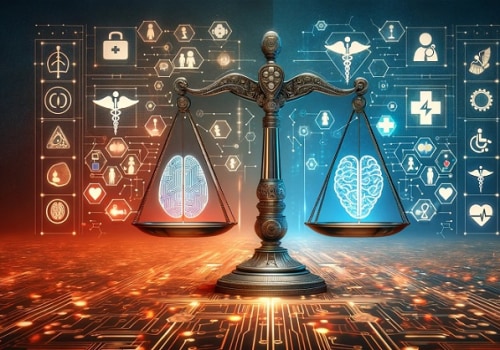
Medical diagnostics plays a crucial role in the healthcare landscape, serving as the foundation for effective patient care and treatment. By accurately identifying diseases and health conditions, medical diagnostics enables healthcare professionals to make informed decisions, tailor treatment plans, and ultimately improve patient outcomes. As the demand for precise and timely diagnostics continues to grow, the field is witnessing a surge in innovative technologies that promise to revolutionize how we detect and manage health issues. The importance of medical diagnostics cannot be overstated; it not only aids in early detection of diseases but also enhances the efficiency of healthcare systems. With advancements in technology, diagnostic tools are becoming more sophisticated, allowing for quicker results and more accurate assessments.
This evolution is particularly significant in an era where personalized medicine is gaining traction, as it allows for treatments that are specifically designed to meet individual patient needs. In this article, we will explore the latest emerging technologies in medical diagnostics, highlighting their potential to transform traditional practices. From artificial intelligence-driven imaging techniques to wearable health monitors that provide real-time data, these innovations are set to enhance diagnostic accuracy and accessibility. As we delve deeper into these advancements, it becomes clear that the future of medical diagnostics is not only promising but essential for advancing healthcare as a whole.
Artificial Intelligence in Medical Diagnostics
The integration of artificial intelligence (AI) into medical diagnostics is revolutionizing the way healthcare professionals detect and manage diseases. By leveraging advanced algorithms and vast datasets, AI is enhancing diagnostic accuracy and efficiency, ultimately leading to improved patient outcomes.One of the most significant applications of AI in medical diagnostics is through machine learning.This subset of AI enables systems to learn from data patterns and make predictions without explicit programming. For instance, machine learning algorithms can analyze medical images, such as X-rays and MRIs, to identify anomalies that may indicate conditions like cancer or fractures.
Examples of AI Diagnostic Tools
- IBM Watson Health: This platform utilizes natural language processing and machine learning to assist in diagnosing diseases by analyzing patient data and medical literature.
- Google DeepMind: Known for its work in ophthalmology, DeepMind's AI can detect eye diseases with accuracy comparable to that of expert clinicians by analyzing retinal scans.
- PathAI: This tool employs deep learning algorithms to improve the accuracy of pathology diagnoses, helping pathologists identify cancerous tissues more effectively.
Not only does it enhance the speed and precision of diagnoses, but it also reduces the burden on healthcare professionals by automating routine tasks. As these technologies continue to evolve, they hold the promise of transforming patient care and making healthcare more accessible and efficient.
Wearable Technology and Remote Monitoring
The advent of wearable technology has revolutionized the landscape of medical diagnostics, enabling healthcare providers to monitor patients' health metrics in real-time. These devices, ranging from smartwatches to specialized health trackers, are designed to collect a variety of data, including heart rate, blood pressure, and even glucose levels. This continuous stream of information allows for early detection of potential health issues, facilitating timely interventions.Remote patient monitoring
is another significant advancement in this field.By utilizing wearable devices, healthcare professionals can track patients' conditions without the need for frequent in-person visits. This not only enhances patient convenience but also reduces the burden on healthcare facilities. For instance, patients with chronic conditions such as diabetes or hypertension can be monitored effectively through their wearable devices, which send alerts to their healthcare providers if any anomalies are detected.Moreover, the integration of health tracking devices with mobile applications has made it easier for individuals to take charge of their health. Users can access their health data in real-time, set personal health goals, and receive personalized feedback based on their metrics.
This empowerment encourages proactive health management and fosters a culture of wellness.As technology continues to evolve, the potential for wearables in medical diagnostics is vast. Future innovations may include advanced sensors capable of detecting more complex biomarkers or integrating artificial intelligence to analyze data patterns for predictive insights. The ongoing development in this sector promises not only to enhance diagnostic accuracy but also to improve overall patient outcomes.
Genomics and Personalized Medicine
The field of medical diagnostics is undergoing a transformative shift with the integration of genomics and personalized medicine. These advancements are paving the way for more accurate and tailored diagnostic approaches that cater to individual patient needs.Genomics in diagnostics
plays a crucial role in understanding the genetic basis of diseases.By analyzing a patient's genome, healthcare providers can identify specific genetic mutations that may predispose individuals to certain conditions. This information not only aids in early detection but also enhances the precision of treatment plans.One of the most significant advancements in this area is the development of genetic testing technologies. These tests can now be performed quickly and at a lower cost, making them more accessible to patients. For instance, next-generation sequencing (NGS) allows for comprehensive analysis of multiple genes simultaneously, providing insights that were previously unattainable.
- Targeted therapies: With genomic data, clinicians can prescribe targeted therapies that are more effective for specific genetic profiles, minimizing trial-and-error approaches.
- Risk assessment: Genetic testing enables better risk assessment for hereditary conditions, allowing for proactive monitoring and preventive measures.
- Pharmacogenomics: Understanding how genes affect drug metabolism can lead to personalized medication plans that enhance efficacy and reduce adverse effects.
As more data is collected and analyzed, there is potential for large-scale epidemiological studies that can inform public health strategies and improve overall healthcare outcomes.In conclusion, the integration of genomics into medical diagnostics is revolutionizing personalized medicine. As technology continues to evolve, we can expect even greater strides in genetic testing advancements, ultimately leading to more effective and individualized healthcare solutions.
Point-of-Care Testing Innovations
In recent years, point-of-care testing (POCT) has emerged as a transformative approach in the field of medical diagnostics, enabling healthcare providers to deliver rapid and accurate diagnoses at the site of care. This innovation is particularly crucial in emergency settings, rural areas, and during pandemics, where timely decision-making can significantly impact patient outcomes.One of the most notable advancements in POCT is the development of rapid diagnostic tests (RDTs). These tests are designed to provide results within minutes, allowing clinicians to initiate treatment without delay.For instance, RDTs for infectious diseases such as COVID-19, influenza, and malaria have revolutionized how these conditions are diagnosed and managed. The ability to quickly identify pathogens not only aids in effective treatment but also helps in controlling outbreaks by facilitating immediate public health responses.Another exciting area of innovation is the creation of portable diagnostic devices. These compact tools are equipped with advanced technologies such as microfluidics and biosensors, enabling them to perform complex analyses typically reserved for laboratory settings. Devices like handheld ultrasound machines and portable blood analyzers are now commonplace, allowing healthcare professionals to conduct tests on-site and obtain results in real-time.
- Microfluidic Devices: These devices manipulate small volumes of fluids to conduct multiple tests simultaneously, enhancing efficiency and accuracy.
- Biosensors: Utilizing biological materials to detect specific analytes, biosensors offer high sensitivity and specificity for various medical conditions.
- Telemedicine Integration: Many portable devices now feature connectivity options that allow for remote monitoring and consultation, further expanding their utility in patient care.
As technology continues to evolve, the future of point-of-care testing looks promising, with ongoing research aimed at enhancing the accuracy, speed, and range of tests available at the point of care.
Telemedicine and Diagnostic Services
The rise of telemedicine has significantly transformed the landscape of medical diagnostics, enabling patients to access diagnostic services remotely. This shift not only enhances convenience but also improves healthcare accessibility, particularly for those in rural or underserved areas.One of the key components of telemedicine is the ability to conduct remote consultations. Through video conferencing and secure messaging platforms, healthcare providers can evaluate patients' symptoms, review medical histories, and recommend diagnostic tests without the need for an in-person visit. This approach is particularly beneficial for managing chronic conditions, where regular monitoring is essential.Moreover, advancements in digital health services have facilitated the integration of diagnostic tools into telemedicine platforms.For instance:
- Wearable devices: These gadgets can monitor vital signs and transmit data to healthcare providers in real-time, allowing for timely interventions.
- Mobile health applications: Patients can use apps to report symptoms, track health metrics, and receive personalized feedback from their doctors.
- AI-driven diagnostic tools: Artificial intelligence is increasingly being utilized to analyze patient data and assist in diagnosing conditions based on remote assessments.
Emerging Imaging Technologies
In recent years, the field of medical diagnostics has witnessed significant advancements in imaging technologies, leading to improved diagnostic accuracy and patient outcomes. Among these innovations, advanced MRI and CT scans stand out as pivotal tools that enhance our ability to visualize and understand complex medical conditions.Advanced MRI Techniques
- Functional MRI (fMRI): This technique measures brain activity by detecting changes associated with blood flow, allowing for real-time monitoring of brain function.
- Diffusion Tensor Imaging (DTI): DTI provides insights into the brain's white matter integrity, which is crucial for diagnosing conditions like multiple sclerosis and traumatic brain injuries.
- Magnetic Resonance Spectroscopy (MRS): MRS enables the analysis of metabolic changes in tissues, aiding in the detection of tumors and other abnormalities.
Innovations in CT Scanning
- Low-Dose CT Scans: These scans significantly reduce radiation exposure while maintaining high image quality, making them safer for patients.
- Dual-Energy CT: This technology allows for better differentiation of materials within the body, enhancing the detection of kidney stones and other conditions.
- CT Angiography: By providing detailed images of blood vessels, this technique is invaluable for diagnosing vascular diseases and planning surgical interventions.
AI algorithms can analyze imaging data more quickly and accurately than human radiologists, identifying patterns that may be missed during manual interpretation. This not only speeds up the diagnostic process but also enhances the overall reliability of diagnostic imaging.As we look to the future, staying abreast of these imaging technology trends will be essential for healthcare professionals. The continuous evolution of advanced imaging techniques promises to revolutionize medical diagnostics, ultimately leading to earlier detection and more personalized treatment options for patients.
Challenges and Ethical Considerations in Emerging Diagnostics
As emerging technologies in medical diagnostics continue to evolve, they bring forth a myriad of challenges and ethical considerations that must be addressed to ensure their effective and responsible implementation.Challenges in Medical Diagnostics
One of the primary challenges is the integration of new diagnostic tools into existing healthcare systems. Many healthcare providers may lack the necessary infrastructure or training to utilize advanced technologies effectively.Additionally, the rapid pace of innovation can lead to disparities in access, where only certain populations benefit from cutting-edge diagnostics while others remain underserved.Another significant challenge is the accuracy and reliability of diagnostic results. As technologies such as artificial intelligence and machine learning are increasingly employed, ensuring that these systems are trained on diverse datasets is crucial to avoid biases that could lead to misdiagnosis or inappropriate treatment plans.
Ethical Issues in Healthcare Technology
The ethical implications of using advanced diagnostics are profound. For instance, the potential for data privacy breaches raises concerns about patient confidentiality. With the collection of vast amounts of personal health data, there is a heightened risk that sensitive information could be exposed or misused.Moreover, informed consent becomes more complex as patients may not fully understand how their data will be used or the implications of diagnostic technologies.This lack of understanding can lead to mistrust in healthcare providers and reluctance to engage with new diagnostic methods.
Data Privacy in Diagnostics
Ensuring robust data protection measures is essential in addressing these privacy concerns. Healthcare organizations must implement stringent protocols for data handling and storage, as well as transparent policies that inform patients about their rights regarding personal health information.In conclusion, while emerging technologies in medical diagnostics hold great promise for improving patient outcomes, it is imperative to navigate the associated challenges and ethical considerations carefully. By prioritizing patient safety, equity, and privacy, the healthcare industry can harness these innovations responsibly.Future Trends in Medical Diagnostics Technology
The landscape of medical diagnostics is on the brink of a transformative shift, driven by rapid advancements in technology and a growing emphasis on personalized medicine. As we look to the future, several key trends are emerging that promise to redefine how we approach diagnosis and treatment.Integration of Artificial Intelligence
One of the most significant trends in medical diagnostics is the integration of artificial intelligence (AI).AI algorithms are increasingly being used to analyze complex medical data, enabling faster and more accurate diagnoses. For instance, machine learning models can identify patterns in imaging studies that may be missed by the human eye, leading to earlier detection of conditions such as cancer.
Point-of-Care Testing
The rise of point-of-care testing is another exciting development. This technology allows for immediate diagnostic results at the site of patient care, reducing the need for laboratory testing and enabling quicker clinical decisions. Innovations in microfluidics and biosensors are making it possible to conduct sophisticated tests using just a drop of blood or saliva.Wearable Health Technology
Wearable devices are becoming increasingly sophisticated, providing continuous monitoring of vital signs and other health metrics.These devices can alert users and healthcare providers to potential health issues before they become critical, facilitating proactive management of chronic conditions.
Genomic Diagnostics
The field of genomic diagnostics is also poised for growth. Advances in sequencing technologies are making it more affordable and accessible to analyze an individual's genetic makeup. This information can guide personalized treatment plans and help predict susceptibility to certain diseases.Telemedicine and Remote Diagnostics
The COVID-19 pandemic has accelerated the adoption of telemedicine, which includes remote diagnostic services. As technology improves, patients will have greater access to diagnostic tools from home, allowing for timely interventions without the need for in-person visits.In conclusion, the future of medical diagnostics is bright, with emerging technologies set to enhance accuracy, speed, and accessibility.As these innovations continue to evolve, they will play a crucial role in improving patient outcomes and transforming healthcare delivery.
Conclusion: The Impact of Emerging Technologies on Healthcare Outcomes
As we conclude our exploration of emerging technologies in the field of medical diagnostics, it is evident that these innovations are not just enhancing the accuracy of diagnoses but are also transforming the overall landscape of healthcare. The integration of advanced technologies such as artificial intelligence, machine learning, and genomics is paving the way for more personalized and efficient patient care.One of the most significant impacts of these technologies is their ability to facilitate early detection of diseases. For instance, AI algorithms can analyze vast amounts of data from medical imaging to identify anomalies that may be missed by the human eye. This capability not only improves diagnostic accuracy but also allows for timely interventions, which can be crucial in conditions like cancer or cardiovascular diseases.Moreover, the rise of telemedicine and remote diagnostics has made healthcare more accessible, particularly in underserved areas.Patients can now receive expert consultations and diagnostic services from the comfort of their homes, reducing travel time and associated costs.In summary, embracing these emerging technologies in medical diagnostics is essential for improving healthcare outcomes. The potential benefits include:
- Enhanced accuracy: Reducing misdiagnoses through advanced analytical tools.
- Early detection: Identifying diseases at earlier stages for better treatment options.
- Increased accessibility: Providing diagnostic services to remote or underserved populations.
- Cost-effectiveness: Streamlining processes to reduce healthcare costs for both providers and patients.