In the complex landscape of healthcare, medical diagnostics serves as a cornerstone for effective patient care. It encompasses a wide array of techniques and tools that healthcare professionals utilize to identify diseases, monitor health conditions, and guide treatment decisions. The significance of medical diagnostics cannot be overstated; it not only aids in the early detection of illnesses but also enhances the accuracy of diagnoses, ultimately leading to better patient outcomes. The role of diagnostics in healthcare extends beyond mere identification of ailments. It involves a comprehensive approach that integrates patient history, physical examinations, and advanced technological methods such as imaging and laboratory tests.
This multifaceted process allows doctors to piece together a complete picture of a patient's health status, ensuring that they can tailor interventions that are both timely and effective. As we delve deeper into the world of medical diagnostics, we will uncover how these practices not only streamline the diagnostic process but also empower patients through informed decision-making. Understanding the importance of medical diagnostics is crucial for both healthcare providers and patients alike. It fosters a collaborative environment where informed choices can be made, enhancing the overall quality of care. As we explore further, we will examine specific diagnostic tools and methodologies that play pivotal roles in shaping modern medicine.
What Are Medical Diagnostics?
Medical diagnostics refers to the process of identifying a disease or condition through various methods and tools.This essential aspect of healthcare enables doctors to make informed decisions regarding patient treatment and management. By utilizing a combination of clinical evaluations, laboratory tests, and imaging techniques, medical diagnostics provides a comprehensive understanding of a patient's health status.
Types of Medical Diagnostics
- Clinical Diagnosis: This involves a thorough examination of the patient’s medical history and physical examination. Physicians assess symptoms and signs to formulate a preliminary diagnosis.
- Laboratory Tests: These tests analyze blood, urine, or other bodily fluids to detect abnormalities. Common laboratory tests include complete blood counts (CBC), metabolic panels, and cultures.
- Imaging Techniques: Tools such as X-rays, MRIs, and CT scans allow doctors to visualize internal structures and identify issues like fractures, tumors, or organ abnormalities.
- Pathology: This branch focuses on examining tissues and cells under a microscope to diagnose diseases such as cancer.
Pathologists play a crucial role in confirming diagnoses made by other diagnostic methods.
Medical Diagnostic Tools
A variety of tools are employed in the field of medical diagnostics, each serving a specific purpose:- Stethoscope: Used for auscultation, it helps doctors listen to heartbeats and lung sounds.
- Sphygmomanometer: This device measures blood pressure, providing insights into cardiovascular health.
- Electrocardiogram (ECG): An ECG records the electrical activity of the heart, aiding in the diagnosis of arrhythmias and other heart conditions.
- Ultrasound Machines: These devices use sound waves to create images of organs and tissues, commonly used in prenatal care and abdominal assessments.
The Diagnostic Process: From Symptoms to Diagnosis
The journey from initial symptoms to a definitive diagnosis is a critical aspect of medical practice, often referred to as the diagnostic process. This process involves several key steps that doctors follow to ensure accurate and effective patient care.- Patient History: The first step in the diagnostic process is gathering a comprehensive patient history. Doctors ask detailed questions about the patient's symptoms, medical history, family history, and lifestyle factors.
This information helps to narrow down potential causes of the symptoms.
- Physical Examination: Following the history, a thorough physical examination is conducted. This allows doctors to observe any physical signs that may indicate specific conditions. The examination can reveal vital clues that guide further diagnostic efforts.
- Medical Diagnostics: At this stage, medical diagnostics play a crucial role. Doctors may order various tests such as blood tests, imaging studies (like X-rays or MRIs), or biopsies.
These diagnostic tools provide objective data that can confirm or rule out potential diagnoses.
- Analysis of Results: Once the diagnostic tests are completed, doctors analyze the results in conjunction with the patient’s history and physical examination findings. This synthesis of information is essential for making an informed diagnosis.
- Diagnosis and Treatment Plan: After careful consideration of all gathered information, doctors arrive at a diagnosis. They then discuss the findings with the patient and outline a treatment plan tailored to the diagnosed condition.
Common Medical Diagnostic Techniques
Medical diagnostics encompasses a variety of techniques that healthcare professionals utilize to identify diseases and conditions.Understanding these common diagnostic methods is crucial for both patients and practitioners alike.
Imaging Tests
Imaging tests are vital tools in medical diagnostics, allowing doctors to visualize the internal structures of the body. Some of the most common imaging techniques include:- X-rays: These are often the first step in diagnosing bone fractures or infections. X-rays use radiation to create images of the body's internal structures.
- Magnetic Resonance Imaging (MRI): MRIs provide detailed images of soft tissues, making them invaluable for diagnosing conditions related to the brain, spinal cord, and joints.
- Computed Tomography (CT) Scans: CT scans combine X-ray images taken from different angles to produce cross-sectional views of bones and soft tissues, aiding in the diagnosis of tumors and internal injuries.
Laboratory Tests
Laboratory tests play a critical role in medical diagnostics by analyzing samples from patients. These tests can reveal important information about a patient's health status.Common laboratory tests include:
- Blood Tests: These tests can assess various health markers, including glucose levels, cholesterol levels, and the presence of infections or diseases.
- Urinalysis: This test examines urine for signs of kidney disease, diabetes, or urinary tract infections.
Physical Examinations
A thorough physical examination is often the first step in the diagnostic process. During this examination, doctors assess:- The patient's medical history
- Vital signs such as heart rate and blood pressure
- Physical symptoms through palpation and observation
The Role of Technology in Medical Diagnostics
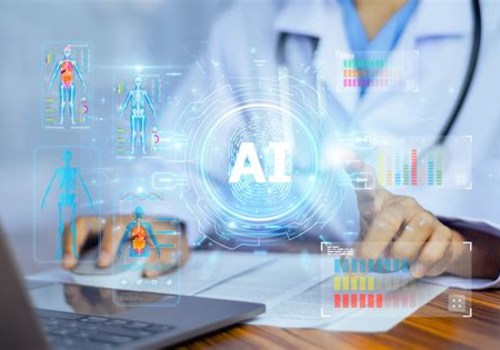
The landscape of medical diagnostics has undergone a remarkable transformation due to advancements in technology. These innovations have not only improved the accuracy of diagnoses but have also streamlined the overall diagnostic process, making it more efficient and accessible.Artificial Intelligence (AI)
plays a pivotal role in modern diagnostics. By analyzing vast amounts of data, AI algorithms can identify patterns that may be missed by human practitioners.For instance, AI-driven imaging tools can detect anomalies in X-rays and MRIs with a level of precision that enhances early detection of conditions such as cancer. This capability allows for timely interventions, significantly improving patient outcomes.Moreover, the integration of digital health tools has revolutionized how patients and healthcare providers interact. Mobile applications and wearable devices enable continuous monitoring of vital signs and other health metrics. This real-time data collection empowers doctors to make informed decisions based on up-to-date information, facilitating proactive management of chronic diseases.Another significant advancement is the use of telemedicine, which has expanded access to diagnostic services, especially in remote areas.
Patients can consult with specialists without the need for travel, ensuring that they receive timely care. This shift not only saves time but also reduces the burden on healthcare facilities.In summary, the role of technology in medical diagnostics is transformative. From AI-enhanced imaging to digital health tools and telemedicine, these advancements are reshaping how diagnoses are made, ultimately leading to better patient care and outcomes.
Challenges in Medical Diagnostics
Medical diagnostics plays a crucial role in identifying diseases and guiding treatment decisions. However, the field is not without its challenges.One of the most significant issues is diagnostic errors, which can occur due to various factors, including human error, misinterpretation of test results, or limitations inherent in the diagnostic tools themselves.Common types of diagnostic errors include:
- False positives: Tests that indicate a disease is present when it is not, leading to unnecessary anxiety and further invasive procedures.
- False negatives: Tests that fail to detect a disease that is actually present, potentially delaying critical treatment.
- Misdiagnosis: Situations where a patient is diagnosed with the wrong condition, which can result in inappropriate treatment and worsening health outcomes.
Addressing these issues through better training, advanced technology, and rigorous testing protocols is vital for enhancing diagnostic accuracy and ultimately improving patient outcomes.
Future Trends in Medical Diagnostics
The landscape of medical diagnostics is rapidly evolving, driven by technological advancements and a deeper understanding of human biology. As we look to the future, several key trends are emerging that promise to enhance diagnostic accuracy and patient care.Emerging Technologies
One of the most significant trends in medical diagnostics is the integration of artificial intelligence (AI) and machine learning. These technologies are being utilized to analyze vast amounts of data, enabling healthcare professionals to identify patterns and make more informed decisions. For instance, AI algorithms can assist in interpreting imaging studies, leading to quicker and more accurate diagnoses.Personalized Medicine
Personalized medicine is another exciting development in the field of diagnostics.By leveraging genetic information, doctors can tailor treatments to individual patients based on their unique genetic makeup. This approach not only improves treatment efficacy but also minimizes adverse effects, as therapies can be customized to suit each patient's specific needs.
Point-of-Care Testing
The shift towards point-of-care testing is also transforming how diagnostics are conducted. With portable devices that provide immediate results, patients can receive timely diagnoses without the need for extensive laboratory work. This trend is particularly beneficial in emergency settings and rural areas where access to healthcare facilities may be limited.Telemedicine and Remote Monitoring
The rise of telemedicine has further expanded the scope of medical diagnostics.Remote monitoring tools allow healthcare providers to track patients' health metrics in real-time, facilitating early detection of potential health issues. This proactive approach not only enhances patient outcomes but also reduces healthcare costs by preventing complications.In conclusion, the future of medical diagnostics is poised for remarkable advancements. By embracing emerging technologies and innovative practices, healthcare professionals can improve diagnostic accuracy, enhance patient care, and ultimately lead to better health outcomes for individuals worldwide.
FAQs About Medical Diagnostics
Medical diagnostics is a crucial aspect of healthcare that often raises many questions among patients. Here are some frequently asked questions regarding the process:- What is medical diagnostics? Medical diagnostics refers to the methods and techniques used by healthcare professionals to identify diseases and conditions based on patient symptoms, medical history, and various tests.
- How do doctors determine which tests to use? Doctors consider several factors, including the patient's symptoms, medical history, and risk factors.
They may also rely on clinical guidelines and their own experience to select the most appropriate diagnostic tests.
- What types of tests are commonly used in medical diagnostics? Common diagnostic tests include blood tests, imaging studies (like X-rays and MRIs), biopsies, and physical examinations. Each test serves a specific purpose in identifying or ruling out conditions.
- How long does it take to get results from diagnostic tests? The time frame for receiving results can vary widely depending on the type of test. Some blood tests may provide results within hours, while imaging studies or biopsies might take several days.
- Can I ask my doctor about the diagnostic process? Absolutely! Patients are encouraged to ask their doctors about the diagnostic process, including why certain tests are recommended and what the potential outcomes may be. This open communication can enhance understanding and trust.
If you have more questions, don’t hesitate to reach out to your healthcare provider for clarification.
Conclusion: The Critical Role of Medical Diagnostics in Patient Care
In conclusion, medical diagnostics serve as the backbone of effective patient care, enabling healthcare professionals to make informed decisions based on accurate data. Throughout this article, we have explored the various facets of medical diagnostics, highlighting their significance in the diagnostic process. One of the key takeaways is that medical diagnostics encompass a wide range of tools and techniques, from laboratory tests to advanced imaging technologies. These methods not only aid in identifying diseases but also play a crucial role in monitoring the progression of conditions and evaluating treatment efficacy. Moreover, the integration of medical diagnostics into clinical practice fosters a collaborative approach among healthcare providers. By sharing diagnostic information, doctors can work together to develop comprehensive treatment plans tailored to individual patient needs.- Accuracy: Reliable diagnostics lead to precise diagnoses, reducing the risk of misdiagnosis and ensuring patients receive appropriate care.
- Efficiency: Timely diagnostic procedures can expedite treatment initiation, which is particularly vital in acute medical situations.
- Patient Empowerment: Understanding diagnostic results allows patients to engage actively in their healthcare decisions, fostering a sense of ownership over their health.
As technology continues to evolve, so too will the capabilities of medical diagnostics, paving the way for even more precise and personalized medicine in the future.