In the ever-evolving landscape of healthcare, medical diagnostics stands as a cornerstone for effective patient care. The ability to accurately identify diseases and conditions is crucial for timely treatment and improved health outcomes. With the integration of advanced technology in healthcare, the field of medical diagnostics has undergone a remarkable transformation, enhancing both the speed and accuracy of diagnostic processes. Historically, diagnostic methods relied heavily on physical examinations and rudimentary tests, often leading to delays in diagnosis and treatment. However, recent advancements in diagnostics have introduced sophisticated tools such as imaging technologies, molecular diagnostics, and artificial intelligence.
These innovations not only streamline the diagnostic process but also provide healthcare professionals with deeper insights into patient conditions, enabling more personalized treatment plans. The role of technology in medical diagnostics cannot be overstated. From non-invasive imaging techniques like MRI and CT scans to genetic testing that uncovers predispositions to certain diseases, technology has expanded the horizons of what is possible in diagnosing health issues. As we delve deeper into this topic, we will explore specific technological advancements that are reshaping the diagnostic landscape and their implications for both patients and healthcare providers.
The Evolution of Medical Diagnostics
The field of medical diagnostics has undergone a remarkable transformation over the centuries, evolving from rudimentary methods to sophisticated technologies that enhance accuracy and efficiency. Understanding this evolution provides insight into how far we have come and the potential for future advancements.Historically, medical diagnostics relied heavily on physical examinations and patient-reported symptoms.Ancient civilizations, such as the Egyptians and Greeks, utilized observational techniques and rudimentary tools to assess health conditions. For instance, Hippocrates emphasized the importance of clinical observation, laying the groundwork for future diagnostic practices.As time progressed, the introduction of more systematic approaches marked a significant turning point. The 19th century saw the advent of modern diagnostics with the development of technologies like the stethoscope and the microscope. These innovations allowed physicians to examine internal conditions without invasive procedures, leading to more accurate diagnoses.
- Stethoscope: Invented by René Laennec in 1816, it revolutionized how doctors listened to heart and lung sounds.
- Microscope: Pioneered by Antonie van Leeuwenhoek, it opened up a new world of cellular biology, enabling the identification of pathogens.
These tools not only improved diagnostic accuracy but also reduced the need for exploratory surgeries. The ability to visualize internal structures in real-time has been a game-changer in identifying conditions ranging from fractures to tumors.Today, we are witnessing a new era in medical diagnostics, characterized by advancements in artificial intelligence (AI) and machine learning. These technologies analyze vast amounts of data quickly and accurately, assisting healthcare professionals in making informed decisions. For example:
- AI Algorithms: They can detect patterns in imaging studies that may be missed by the human eye.
- Genomic Testing: Advances in genomics allow for personalized medicine approaches, tailoring treatments based on individual genetic profiles.
As we continue to embrace innovation, the future of medical diagnostics holds promise for even greater accuracy and efficiency in diagnosing diseases.
Key Technologies Transforming Medical Diagnostics
The landscape of medical diagnostics has been significantly transformed by various cutting-edge technologies, enhancing both the accuracy and speed of disease detection. Among these advancements, diagnostic imaging techniques and lab testing technologies stand out as pivotal contributors.Diagnostic Imaging Techniques
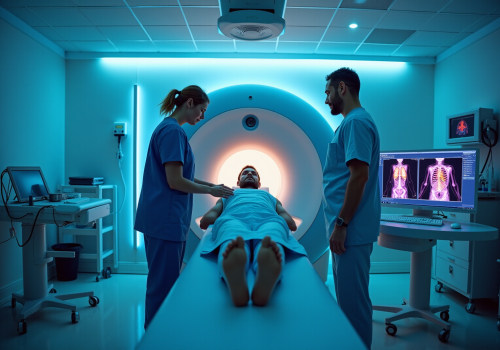
Imaging technologies such as Magnetic Resonance Imaging (MRI) and Computed Tomography (CT) scans have revolutionized the way healthcare professionals visualize internal structures of the body. MRI utilizes strong magnetic fields and radio waves to produce detailed images of organs and tissues, making it invaluable for diagnosing conditions like tumors, brain disorders, and joint issues. On the other hand, CT scans provide cross-sectional images of the body, allowing for rapid assessment of injuries and diseases, particularly in emergency settings.Advancements in Lab Testing Technology
In addition to imaging, lab testing technologies have also seen remarkable improvements.Techniques such as Polymerase Chain Reaction (PCR) have become essential in detecting genetic material from pathogens, enabling quick diagnosis of infectious diseases like COVID-19. Furthermore, the development of rapid tests has made it possible to obtain results within minutes rather than days, significantly speeding up the diagnostic process.
- MRI: Non-invasive imaging for soft tissue evaluation.
- CT Scans: Quick imaging for trauma and internal bleeding assessment.
- PCR: Sensitive detection of viral and bacterial infections.
- Rapid Tests: Immediate results for timely treatment decisions.
Artificial Intelligence and Machine Learning in Diagnostics
The integration of artificial intelligence (AI) and machine learning into medical diagnostics has revolutionized the way healthcare professionals approach patient care. These technologies enable more accurate and efficient diagnostic processes, ultimately leading to better patient outcomes.AI in medical diagnostics
leverages vast amounts of data to identify patterns that may not be immediately apparent to human clinicians. For instance, AI algorithms can analyze medical images, such as X-rays and MRIs, with remarkable precision.Studies have shown that AI can match or even exceed the diagnostic accuracy of experienced radiologists, particularly in identifying conditions like pneumonia or tumors.
Machine learning healthcare applications
extend beyond imaging. They are increasingly used in predictive analytics, which involves analyzing historical patient data to forecast future health events. By utilizing machine learning models, healthcare providers can predict the likelihood of diseases such as diabetes or heart failure based on a patient's unique risk factors.- Enhanced Diagnostic Accuracy: AI systems can process and analyze data faster than humans, reducing the chances of misdiagnosis.
- Streamlined Processes: Automation of routine tasks allows healthcare professionals to focus on more complex cases, improving overall efficiency.
- Predictive Analytics: By identifying at-risk patients early, interventions can be implemented sooner, potentially saving lives.
However, as these challenges are met, the potential for AI and machine learning to transform diagnostics continues to grow.In conclusion, the application of AI and machine learning in medical diagnostics represents a significant leap forward in healthcare technology. By enhancing diagnostic accuracy, predicting patient outcomes, and streamlining processes, these innovations are paving the way for a more efficient and effective healthcare system.
Telemedicine and Remote Diagnostics
The rise of telemedicine has significantly transformed the landscape of medical diagnostics, particularly in the wake of the COVID-19 pandemic. As healthcare systems faced unprecedented challenges, telemedicine emerged as a vital tool for maintaining patient care while minimizing the risk of virus transmission.One of the most notable impacts of telemedicine on diagnostics is its ability to facilitate remote patient monitoring. Through various digital health solutions, healthcare providers can now track patients' vital signs and symptoms in real-time, allowing for timely interventions without the need for in-person visits.This capability is especially beneficial for managing chronic conditions such as diabetes and hypertension, where continuous monitoring is crucial.Moreover, telemedicine has expanded access to specialists who may not be available locally. Patients can now consult with experts from around the country or even globally, receiving accurate diagnoses and tailored treatment plans without the burden of travel. This has been particularly advantageous for individuals in rural or underserved areas, where access to quality healthcare can be limited.Additionally, digital health solutions have streamlined the diagnostic process. For instance, mobile applications and wearable devices can collect and transmit health data directly to healthcare providers.
This not only enhances the accuracy of diagnoses but also reduces the time it takes to receive results, leading to quicker decision-making and improved patient outcomes.In conclusion, the integration of telemedicine into medical diagnostics has revolutionized patient care by enabling remote monitoring, expanding access to specialists, and enhancing the efficiency of diagnostic processes. As technology continues to evolve, it is likely that telemedicine will play an even more significant role in shaping the future of healthcare.
Wearable Technology and Continuous Monitoring
The advent of wearable health technology has revolutionized the landscape of medical diagnostics, enabling continuous health monitoring that was previously unimaginable. Devices such as smartwatches, fitness trackers, and specialized health monitors are now capable of tracking a variety of health metrics in real-time, providing invaluable data for both patients and healthcare providers.One of the most significant impacts of these devices is their ability to facilitate early diagnosis. Continuous monitoring allows for the detection of anomalies in vital signs, such as heart rate, blood pressure, and oxygen saturation levels.For instance, a sudden spike in heart rate detected by a wearable device can prompt immediate medical evaluation, potentially identifying conditions like arrhythmias or other cardiovascular issues before they escalate.Moreover, the integration of artificial intelligence with wearable technology enhances diagnostic accuracy. Many devices now utilize algorithms to analyze collected data, offering insights that can lead to proactive healthcare measures. This shift from reactive to preventive care is crucial in managing chronic conditions such as diabetes and hypertension.
- Real-time Data Collection: Wearable devices continuously gather data, allowing for a comprehensive view of an individual's health over time.
- Patient Engagement: These technologies empower patients to take an active role in their health management, fostering better adherence to treatment plans.
- Remote Monitoring: Healthcare providers can monitor patients remotely, reducing the need for frequent office visits and enabling timely interventions.
As technology continues to evolve, the potential for wearable devices in enhancing medical diagnostics will only grow, paving the way for a more proactive approach to healthcare.
Challenges and Limitations of Technological Advancements in Diagnostics
While advancements in medical diagnostics have significantly improved patient care, they are not without their challenges and limitations. Understanding these issues is crucial for the ongoing development and implementation of diagnostic technologies.Cost and Accessibility
One of the primary challenges is the cost associated with new diagnostic technologies. Cutting-edge tools often come with high price tags, making them less accessible to healthcare facilities, particularly in low-income areas. This disparity can lead to unequal access to essential diagnostic services, exacerbating health inequities.Data Privacy Concerns
The integration of technology in medical diagnostics raises significant data privacy concerns.As patient data is increasingly digitized and shared across platforms, the risk of breaches and unauthorized access grows. Ensuring that patient information remains confidential while still allowing for effective diagnostics is a delicate balance that healthcare providers must navigate.
Potential Biases in AI Algorithms
Another critical limitation lies in the potential biases present in AI algorithms. If the data used to train these systems is not representative of diverse populations, it can lead to inaccurate diagnoses for underrepresented groups. This bias can perpetuate existing health disparities and undermine the trust that patients place in technological solutions.Regulatory Hurdles
The rapid pace of technological innovation often outstrips existing regulatory frameworks.This can result in a lag in the approval process for new diagnostic tools, delaying their availability to patients. Striking a balance between ensuring safety and efficacy while fostering innovation remains a significant challenge for regulatory bodies.In conclusion, while technology has the potential to revolutionize medical diagnostics, addressing these challenges is essential for maximizing its benefits and ensuring equitable healthcare for all.
Future Trends in Medical Diagnostics Technology
The future of medical diagnostics is poised for remarkable transformation, driven by rapid advancements in technology and a deeper understanding of human biology. As we look ahead, several key trends are emerging that promise to enhance diagnostic accuracy and efficiency.Advancements in Genomics
One of the most significant trends is the integration of genomic technologies into routine diagnostics. With the decreasing cost of genome sequencing, healthcare providers can now analyze an individual’s genetic makeup to identify predispositions to certain diseases.This shift towards personalized medicine allows for tailored treatment plans that are more effective and less invasive.
Artificial Intelligence and Machine Learning
Artificial intelligence (AI) and machine learning are revolutionizing the way we approach diagnostic tools. These technologies can analyze vast amounts of data from various sources, including medical imaging and electronic health records, to identify patterns that may not be visible to the human eye. For instance, AI algorithms are being developed to detect early signs of conditions such as cancer or cardiovascular diseases with unprecedented accuracy.Wearable Technology and Remote Monitoring
The rise of wearable technology is another trend shaping the future of medical diagnostics. Devices that monitor vital signs in real-time can provide continuous data to healthcare providers, enabling proactive management of chronic conditions.This shift towards remote monitoring not only enhances patient engagement but also allows for timely interventions before complications arise.
Point-of-Care Testing
Point-of-care testing (POCT) is becoming increasingly popular, allowing for immediate diagnostic results at the site of patient care. Innovations in microfluidics and lab-on-a-chip technologies are making it possible to conduct complex tests quickly and accurately outside traditional laboratory settings. This trend is particularly beneficial in emergency situations where time is critical.In conclusion, the future of medical diagnostics is bright, with emerging technologies paving the way for more accurate, efficient, and personalized healthcare solutions. As these innovations continue to evolve, they hold the potential to significantly improve patient outcomes and transform the landscape of healthcare delivery.Conclusion: The Future of Medical Diagnostics with Technology
As we look towards the future, it is clear that technology will continue to play a pivotal role in the evolution of medical diagnostics.The advancements we have witnessed thus far are just the beginning of a transformative journey that promises to enhance patient care and outcomes.Throughout this article, we have explored various technological innovations that have significantly improved medical diagnostics. From the integration of artificial intelligence (AI) in imaging analysis to the development of point-of-care testing devices, these tools are not only increasing the accuracy of diagnoses but also expediting the process. This is crucial in situations where timely intervention can mean the difference between life and death.Moreover, the rise of telemedicine has expanded access to diagnostic services, allowing patients in remote areas to receive expert evaluations without the need for extensive travel. This democratization of healthcare is essential for ensuring that all individuals, regardless of their location, can benefit from advanced diagnostic technologies.Looking ahead, we can anticipate further innovations such as:
- Wearable technology that continuously monitors health metrics and alerts patients and providers to potential issues before they escalate.
- Genomic testing that provides personalized insights into an individual’s health risks and treatment options.
- Machine learning algorithms that will refine diagnostic processes by learning from vast datasets, leading to even more precise outcomes.
As these innovations continue to unfold, they will not only enhance our ability to diagnose diseases accurately but also empower patients with more information about their health. The ongoing collaboration between technology and healthcare professionals will be essential in shaping a future where medical diagnostics are more effective, accessible, and patient-centered than ever before.