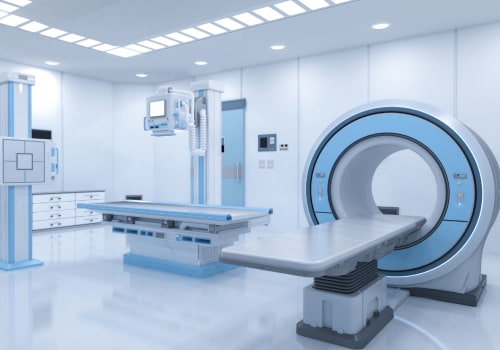
In the realm of medical diagnostics, understanding the distinction between diagnostic tests and screening tests is crucial for both patients and healthcare providers. These tests serve different purposes in the healthcare continuum, each playing a vital role in patient care and disease management. While both types of tests aim to identify health issues, they do so at different stages and with varying methodologies.
Diagnostic tests
are typically employed when a patient presents specific symptoms or when a healthcare provider suspects a particular condition. These tests are designed to confirm or rule out a diagnosis, providing detailed information about the patient's health status.For instance, if a patient exhibits symptoms of diabetes, a diagnostic test such as a blood glucose test will be conducted to determine the presence of the disease. On the other hand, screening tests are used to detect potential health disorders or diseases in individuals who do not yet show symptoms. The primary goal of screening is early detection, which can lead to timely intervention and better health outcomes. Common examples include mammograms for breast cancer and cholesterol screenings for heart disease. Understanding these differences not only empowers patients to make informed decisions about their health but also aids healthcare providers in developing effective treatment plans.
What Are Medical Diagnostic Tests?
Medical diagnostic tests are essential tools used by healthcare professionals to identify and confirm the presence of a disease or medical condition.Unlike screening tests, which aim to detect potential health issues in asymptomatic individuals, diagnostic tests are performed on patients who exhibit symptoms or have a known risk factor. The primary purpose of these tests is to provide accurate information that guides treatment decisions and patient management.There are several types of diagnostic tests, each designed to evaluate specific aspects of health:
- Laboratory tests: These include blood tests, urine tests, and other bodily fluid analyses that help detect abnormalities in biochemical markers.
- Imaging tests: Techniques such as X-rays, MRIs, and CT scans allow healthcare providers to visualize internal structures and identify issues like tumors or fractures.
- Biopsies: This involves taking a small sample of tissue for examination under a microscope, often used to diagnose cancer.
- Electrophysiological tests: These assess the electrical activity of organs, such as the heart (ECG) or brain (EEG), to identify dysfunctions.
- Determining the severity of a condition.
- Monitoring the effectiveness of ongoing treatment.
- Guiding further testing or interventions based on initial findings.
What Are Screening Tests?
Screening tests are medical assessments designed to identify potential health issues in individuals who do not yet exhibit symptoms. These tests play a crucial role in preventive healthcare by enabling early detection of diseases, which can lead to more effective treatment and better health outcomes.The primary purpose of screening tests is to identify conditions at an early stage when they are more manageable.By catching diseases early, healthcare providers can implement interventions that may prevent the progression of the disease or reduce its severity. This proactive approach is particularly important for conditions such as cancer, diabetes, and cardiovascular diseases.
Types of Screening Tests
- Blood Tests: These tests can detect various conditions, including high cholesterol levels and diabetes markers.
- Mammograms: Used primarily for breast cancer screening, mammograms can identify tumors before they become palpable.
- Pap Smears: This test screens for cervical cancer by detecting abnormal cells in the cervix.
- Colonoscopy: A procedure that examines the colon for signs of cancer or precancerous growths.
- Blood Pressure Measurements: Regular monitoring can help identify hypertension, a risk factor for heart disease.
By understanding the different types of screening tests and their purposes, individuals can take proactive steps towards maintaining their health and well-being.
Key Differences Between Diagnostic and Screening Tests
Understanding the key differences between diagnostic tests and screening tests is essential for both healthcare professionals and patients. Each type of test serves a distinct purpose in the realm of medical diagnostics, influencing patient care and treatment pathways.Purpose
The primary purpose of screening tests is to identify potential health issues in asymptomatic individuals. These tests aim to detect diseases at an early stage, often before symptoms appear, allowing for timely intervention. In contrast, diagnostic tests are utilized when a patient presents with specific symptoms or when a screening test indicates a potential problem.Their goal is to confirm or rule out a diagnosis.
Methodology
Screening tests are generally less invasive and simpler to administer. They often involve questionnaires, blood tests, or imaging techniques that can be performed quickly on large populations. Examples include mammograms for breast cancer screening and cholesterol tests for cardiovascular risk assessment. On the other hand, diagnostic tests tend to be more complex and may require specialized equipment or procedures, such as biopsies or advanced imaging techniques like MRIs.Outcomes
The outcomes of screening tests typically result in either a positive or negative indication of disease presence, leading to further diagnostic evaluation if necessary.Conversely, diagnostic tests provide definitive results that inform treatment decisions. For instance, a positive screening test for diabetes may lead to a diagnostic test that confirms the condition through an A1C test.
Implications for Patient Care
The implications of these differences are significant. Screening tests can lead to early detection and improved outcomes for many diseases, but they also carry the risk of false positives, which can cause unnecessary anxiety and additional testing. Diagnostic tests, while more accurate in confirming a diagnosis, can be more costly and time-consuming. In summary, while both diagnostic and screening tests play crucial roles in healthcare, understanding their differences helps patients navigate their health journeys more effectively.When Are Diagnostic Tests Used?
Diagnostic tests are essential tools in the medical field, utilized when a healthcare provider needs to confirm or rule out a specific medical condition.These tests are typically employed after initial assessments, such as physical examinations or patient history reviews, indicate potential health issues that require further investigation.
When to Use Diagnostic Tests
- Persistent Symptoms: If a patient presents with ongoing symptoms that do not improve with standard treatment, diagnostic tests can help identify underlying causes. For example, unexplained weight loss, chronic pain, or severe fatigue may necessitate further testing.
- Abnormal Screening Results: If a screening test yields abnormal results, diagnostic tests are often required to determine the presence or absence of a disease. For instance, an abnormal mammogram may lead to a biopsy to check for breast cancer.
- Monitoring Known Conditions: Patients with diagnosed conditions may need periodic diagnostic testing to monitor disease progression or response to treatment. For example, individuals with diabetes often undergo blood tests to assess glucose levels and adjust their management plans accordingly.
Indications for Diagnostic Testing
- Cardiovascular Issues: Patients experiencing chest pain or shortness of breath may require diagnostic tests like an electrocardiogram (ECG) or echocardiogram to evaluate heart function.
- Infectious Diseases: Symptoms such as fever, cough, or unusual rashes may prompt diagnostic tests like blood cultures or imaging studies to identify infections.
- Neurological Symptoms: Patients with symptoms like severe headaches, dizziness, or changes in vision may need imaging tests such as MRI or CT scans to investigate potential neurological disorders.
They provide valuable insights that guide treatment decisions and improve patient outcomes.
When Are Screening Tests Used?
Screening tests play a crucial role in preventive health care by identifying potential health issues before they become serious. These tests are typically recommended based on specific age guidelines and risk factors. Understanding when to use screening tests can significantly impact overall health outcomes.Age Guidelines for Screening Tests
Many screening tests are recommended at certain ages to ensure early detection of diseases. For example:- Breast cancer screening: Women are advised to begin mammograms at age 40, with regular screenings continuing annually or biennially depending on individual risk factors.
- Cervical cancer screening: Women should start Pap tests at age 21, with follow-ups every three years until age 29, and then every five years with HPV testing from ages 30 to 65.
- Colorectal cancer screening: Both men and women should begin screenings at age 45, with various options available such as colonoscopy or stool tests.
Indications for Screening Testing
In addition to age, certain risk factors may indicate the need for earlier or more frequent screenings.These factors include:
- Family history: A family history of specific cancers can necessitate earlier screenings.
- Lifestyle choices: Factors such as smoking, obesity, and lack of physical activity can increase the risk of various diseases, prompting the need for regular screenings.
- Chronic conditions: Individuals with chronic health issues may require more frequent monitoring through screening tests.
Preventive health screenings
are essential for maintaining health and catching potential problems early. By adhering to recommended guidelines and considering personal risk factors, individuals can take proactive steps towards their health. Regular consultations with healthcare providers can help determine the most appropriate screening schedule tailored to individual needs.
Limitations of Diagnostic and Screening Tests
Both diagnostic tests and screening tests play crucial roles in healthcare, yet they come with inherent limitations that can impact patient outcomes. Understanding these limitations is essential for making informed decisions regarding health management.Limitations of Diagnostic Tests
Diagnostic tests are designed to confirm or rule out a specific condition.However, they are not infallible. One significant limitation is the occurrence of false positives and false negatives. A false positive occurs when a test indicates a disease is present when it is not, potentially leading to unnecessary anxiety and further invasive testing. Conversely, a false negative can provide false reassurance, allowing a condition to progress untreated.
Limitations of Screening Tests
Screening tests aim to identify diseases in asymptomatic individuals, but they also have their drawbacks.One major concern is overdiagnosis, where screening identifies conditions that may never cause symptoms or harm during a person's lifetime. This can lead to overtreatment, exposing patients to unnecessary risks associated with interventions. Additionally, the accuracy of both types of tests can vary based on several factors, including the population being tested and the specific technology used. For instance, some screening tests may have lower sensitivity or specificity, which can affect their reliability.
- False Positives: Can lead to unnecessary stress and additional testing.
- False Negatives: May result in missed diagnoses and delayed treatment.
- Overdiagnosis: Can cause harm through unnecessary treatments.
FAQs About Medical Diagnostics and Screening Tests
Understanding the nuances between medical diagnostics and screening tests can be crucial for patients and healthcare providers alike.Here are some frequently asked questions that clarify these concepts:
- What is the primary purpose of medical diagnostics?
Medical diagnostics aim to identify specific diseases or conditions in patients who are already exhibiting symptoms. These tests provide detailed information that helps in formulating a treatment plan. - How do screening tests differ from diagnostic tests?
Screening tests are designed to detect potential health issues before symptoms appear, often in asymptomatic individuals. In contrast, diagnostic tests confirm or rule out a specific condition based on the presence of symptoms. - Can a screening test lead to a diagnostic test?
Yes, if a screening test indicates a potential issue, further medical diagnostics may be required to confirm the diagnosis and determine the appropriate course of action. - Are all screening tests reliable?
Not all screening tests are equally reliable. Some may yield false positives or negatives, which is why follow-up with diagnostic testing is often necessary. - What types of medical diagnostic tests are commonly used?
Common types include blood tests, imaging studies (like X-rays and MRIs), biopsies, and genetic testing, each serving different purposes in diagnosing various conditions.
Conclusion: The Importance of Understanding Medical Diagnostics
Understanding the differences between medical diagnostic tests and screening tests is crucial for both patients and healthcare providers.Throughout this article, we have explored how these two types of tests serve distinct purposes in the realm of healthcare.
Medical diagnostic tests
are designed to confirm or rule out specific diseases or conditions after symptoms have been identified. They provide detailed information that aids in making informed treatment decisions. In contrast, screening tests are typically used to detect potential health issues before symptoms arise, aiming for early intervention and prevention. Recognizing these differences can empower patients to engage more effectively with their healthcare providers. For instance, understanding when a diagnostic test is necessary versus when a screening test is appropriate can lead to better health outcomes.Patients who are informed about the purpose and implications of these tests are more likely to participate actively in their healthcare decisions. Moreover, healthcare providers benefit from this knowledge as well. By clearly communicating the distinctions between medical diagnostics and screening tests, they can set appropriate expectations for patients, ensuring that they understand the rationale behind each test ordered. In summary, grasping the nuances of medical diagnostics versus screening tests not only enhances patient education but also fosters a collaborative relationship between patients and providers. This understanding ultimately contributes to improved health management and outcomes.