Chronic conditions, often referred to as chronic diseases, are long-lasting health issues that can significantly impact an individual's quality of life. These conditions, which include diabetes, heart disease, and chronic respiratory diseases, are prevalent in the United States, affecting millions of people. According to the Centers for Disease Control and Prevention (CDC), approximately 60% of adults have at least one chronic condition, and 40% have two or more. The increasing prevalence of these diseases underscores the urgent need for effective management strategies. The impact of chronic diseases extends beyond the individual; they place a substantial burden on healthcare systems and economies.
Patients with chronic conditions often require ongoing medical care, lifestyle adjustments, and regular monitoring to manage their symptoms effectively. This is where medical diagnostics play a crucial role. By utilizing various diagnostic tests, healthcare providers can track the progression of these diseases, assess treatment efficacy, and make informed decisions about patient care. Monitoring chronic conditions is not just about managing symptoms; it is essential for preventing complications that can arise from uncontrolled diseases. Regular diagnostic testing allows for early detection of potential issues, enabling timely interventions that can improve patient outcomes.
Furthermore, understanding the significance of monitoring empowers patients to take an active role in their health management, fostering a collaborative relationship with their healthcare providers.
What Are Medical Diagnostic Tests?
Medical diagnostic tests are essential tools used by healthcare professionals to assess, diagnose, and monitor various health conditions. These tests provide critical information about a patient's health status, enabling tailored treatment plans and ongoing management of chronic conditions.There are several types of diagnostic tests, each serving a unique purpose:- Laboratory Tests: These include blood tests, urine tests, and other bodily fluid analyses that help detect diseases, monitor organ function, and evaluate overall health.
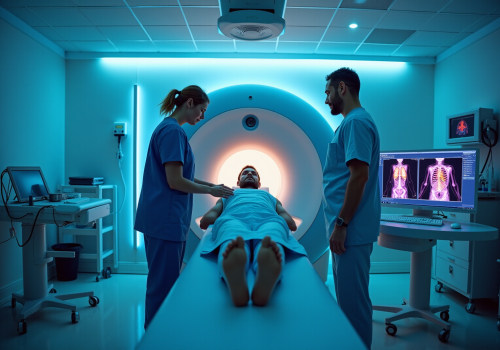
- Imaging Tests: Techniques such as X-rays, MRIs, and CT scans allow healthcare providers to visualize internal structures and identify abnormalities.
- Electrophysiological Tests: These tests measure the electrical activity of the heart or brain, helping diagnose conditions like arrhythmias or epilepsy.
- Biopsies: Involving the extraction of tissue samples for microscopic examination, biopsies are crucial for diagnosing cancers and other serious conditions.
- Monitoring Disease Progression: Regular tests can track how a condition evolves over time, helping to adjust treatment plans as necessary.
- Evaluating Treatment Efficacy: By assessing how well a treatment is working through follow-up tests, healthcare providers can make informed decisions about continuing or changing therapies.
- Identifying Complications Early: Routine diagnostics can reveal potential complications before they become severe, allowing for timely interventions.
They not only aid in initial diagnosis but also play a crucial role in ongoing monitoring and treatment adjustments, ultimately improving patient outcomes.
How Medical Diagnostics Aid in Monitoring Chronic Conditions
Medical diagnostics play a crucial role in monitoring chronic conditions, providing healthcare professionals with the necessary tools to assess and manage patients effectively. By utilizing various diagnostic tests, clinicians can track the progression of diseases such as diabetes, hypertension, and heart disease, ensuring timely interventions and adjustments to treatment plans.Early detection
is one of the most significant benefits of medical diagnostics. Regular testing allows for the identification of potential complications before they escalate into more severe health issues. For instance, routine blood tests can reveal changes in glucose levels for diabetic patients, enabling healthcare providers to modify medications or recommend lifestyle changes promptly.Moreover, medical diagnostics facilitate treatment adjustments.Chronic conditions often require ongoing management, and diagnostic tests provide real-time data that inform clinical decisions. For example, patients with chronic kidney disease may undergo regular blood tests to monitor kidney function. If results indicate a decline, doctors can adjust medications or suggest dietary modifications to slow disease progression.Another critical aspect is the impact of diagnostics on patient outcomes. By closely monitoring chronic conditions through diagnostic testing, healthcare providers can enhance patient engagement and adherence to treatment plans.
Patients who understand their health status through regular feedback are more likely to take an active role in managing their conditions, leading to improved health outcomes.In summary, medical diagnostics are indispensable in the management of chronic conditions. They not only enable early detection and timely treatment adjustments but also empower patients to participate actively in their health management. This comprehensive approach ultimately leads to better health outcomes and a higher quality of life for individuals living with chronic diseases.
Key Diagnostic Tests for Common Chronic Conditions
Monitoring chronic conditions is crucial for effective management and treatment. Various medical diagnostics play a vital role in tracking the progression of these diseases.Below are key diagnostic tests for common chronic conditions:
Diagnostic Tests for Diabetes
For individuals with diabetes, regular monitoring is essential to maintain blood sugar levels within a target range. Key tests include:- Hemoglobin A1c Test: This test measures the average blood glucose levels over the past two to three months, providing insight into long-term glucose control.
- Blood Glucose Monitoring: Daily self-monitoring of blood glucose levels helps patients adjust their diet, exercise, and medication accordingly.
Heart Disease Tests
Heart disease is another prevalent chronic condition that requires ongoing assessment. Important diagnostic tests include:- Echocardiogram: This ultrasound test evaluates heart function and structure, helping to identify issues such as valve problems or heart failure.
- Electrocardiogram (ECG): An ECG records the electrical activity of the heart, detecting irregularities that may indicate heart disease.
Asthma Monitoring Tests
Asthma management relies heavily on understanding lung function and triggers. Key tests include:- Pulmonary Function Tests (PFTs): These tests measure lung capacity and airflow, helping to assess the severity of asthma and the effectiveness of treatment.
- Peak Flow Monitoring: Patients use a peak flow meter to measure how fast they can exhale air, providing immediate feedback on their asthma control.
The Role of Technology in Medical Diagnostics
The integration of technology into medical diagnostics has revolutionized the way healthcare providers monitor chronic conditions.With advancements in digital health tools, patients can now access a range of diagnostic services that were previously unavailable or difficult to obtain.
Telemedicine
has emerged as a critical component in this transformation. It allows healthcare professionals to conduct remote consultations, enabling them to assess patients' conditions without the need for in-person visits. This is particularly beneficial for individuals with chronic illnesses who may find it challenging to travel for regular check-ups. Through video conferencing and secure messaging, doctors can review symptoms, adjust treatment plans, and order necessary tests, all from the comfort of the patient's home.Moreover, the rise of wearable technology has further enhanced monitoring capabilities.
Devices such as smartwatches and fitness trackers can continuously collect vital health data, including heart rate, blood pressure, and glucose levels. This real-time data collection allows for timely interventions and more personalized care strategies.In addition to telemedicine and wearables, innovative testing methods are also making waves in the field of medical diagnostics. For instance:
- Point-of-care testing: This technology enables rapid diagnostic results at the site of patient care, reducing wait times and facilitating immediate treatment decisions.
- Artificial intelligence (AI): AI algorithms are being utilized to analyze complex medical data, improving accuracy in diagnosing conditions and predicting disease progression.
- Genomic testing: Advances in genomics allow for more precise diagnostics by identifying genetic markers associated with specific chronic diseases.
Challenges in Medical Diagnostics for Chronic Conditions
Medical diagnostics play a crucial role in managing chronic conditions, yet several challenges hinder their effectiveness.One of the primary issues is the accuracy of diagnostic tests. False positives and negatives can lead to misdiagnosis, resulting in inappropriate treatment plans. For instance, a patient with diabetes may receive incorrect medication if their blood glucose levels are inaccurately reported, leading to severe health complications.Another significant barrier is accessibility. Many patients, especially those in rural or underserved areas, face difficulties in accessing advanced diagnostic facilities.
This lack of access can delay diagnosis and treatment, exacerbating the patient's condition. Furthermore, socioeconomic factors often influence a patient's ability to afford necessary tests, leading to disparities in healthcare outcomes.Patient compliance also poses a challenge in the realm of medical diagnostics. Chronic conditions often require regular monitoring through various tests, but patients may struggle to adhere to testing schedules due to factors such as forgetfulness, fear of results, or financial constraints. This non-compliance can result in gaps in data that are essential for effective disease management.In summary, while medical diagnostics are vital for monitoring chronic conditions, issues related to accuracy, accessibility, and patient compliance present significant challenges that must be addressed to improve patient outcomes.
Future Trends in Medical Diagnostics for Chronic Condition Management
The landscape of medical diagnostics is rapidly evolving, particularly in the realm of chronic condition management.As technology advances, several key trends are emerging that promise to enhance the effectiveness and personalization of diagnostic processes.
Integration of Artificial Intelligence
One of the most significant trends is the integration of artificial intelligence (AI) into diagnostic tools. AI algorithms can analyze vast amounts of data from various sources, including electronic health records and wearable devices, to identify patterns that may not be immediately apparent to healthcare providers. This capability allows for earlier detection of complications and more tailored treatment plans.Wearable Technology and Remote Monitoring
Another exciting development is the rise of wearable technology. Devices that monitor vital signs, glucose levels, and other health metrics in real-time are becoming increasingly sophisticated.These tools not only empower patients to take an active role in their health but also provide healthcare professionals with continuous data that can inform treatment decisions.
Personalized Medicine Diagnostics
The shift towards personalized medicine is also shaping the future of medical diagnostics. Genetic testing and biomarker analysis are paving the way for more individualized approaches to treatment. By understanding a patient's unique genetic makeup, healthcare providers can tailor therapies that are more likely to be effective, minimizing trial-and-error approaches.Telemedicine and Digital Health Platforms
The COVID-19 pandemic has accelerated the adoption of telemedicine, which is likely to remain a staple in chronic condition management. Digital health platforms facilitate remote consultations and diagnostics, making it easier for patients to access care without the need for frequent in-person visits.This trend not only improves patient convenience but also enhances monitoring capabilities.In conclusion, the future of medical diagnostics in managing chronic conditions is bright, driven by technological advancements and a focus on personalized care. As these trends continue to develop, they hold the potential to significantly improve patient outcomes and quality of life.
Frequently Asked Questions About Medical Diagnostics and Chronic Conditions
Understanding the role of medical diagnostics in managing chronic conditions can be crucial for patients and caregivers alike. Here are some frequently asked questions that shed light on this important topic:- What are medical diagnostics?
Medical diagnostics refer to the tests and procedures used to identify diseases, monitor health conditions, and guide treatment decisions. These can include blood tests, imaging studies, and other evaluations that provide critical information about a patient's health status. - How do diagnostic tests help in monitoring chronic conditions?
Diagnostic tests play a vital role in tracking the progression of chronic conditions such as diabetes, hypertension, and heart disease.By regularly assessing biomarkers and physiological parameters, healthcare providers can adjust treatment plans to optimize patient outcomes.
- What types of tests are commonly used for chronic condition monitoring?
Common tests include:- Blood glucose tests for diabetes management
- Blood pressure monitoring for hypertension
- Lipid panels to assess cholesterol levels
- Imaging tests, such as X-rays or MRIs, for conditions like arthritis or heart disease
- How often should diagnostic tests be performed?
The frequency of testing varies based on the specific chronic condition and individual patient needs. Generally, regular monitoring is recommended to ensure timely adjustments to treatment. - Can patients access their diagnostic results?
Yes, many healthcare systems now provide patients with online access to their test results. This transparency allows patients to engage more actively in their healthcare decisions.