Understanding the Connection Between Physical and Mental Health
Physical and mental health are closely connected, making coordinated healthcare essential for comprehensive patient treatment. Individuals experiencing chronic illnesses, unexplained symptoms, or ongoing medical concerns may also face anxiety, stress, or emotional difficulties. Similarly, certain mental health conditions can produce physical symptoms that require medical evaluation. Coordinating diagnostic services with mental health support allows healthcare professionals to consider multiple factors affecting patient well-being. This collaborative approach can improve diagnostic accuracy, encourage timely interventions, and create more personalized treatment plans.
Improving Diagnostic Accuracy Through Collaborative Care
Medical diagnostics play an important role in identifying underlying health conditions through laboratory testing, imaging procedures, and clinical evaluations. However, physical symptoms such as fatigue, headaches, and digestive discomfort may have overlapping medical and psychological causes. Collaboration between diagnostic specialists and mental health professionals helps ensure that potential physical conditions are investigated appropriately while emotional concerns are also addressed. This approach reduces the risk of overlooking important symptoms and supports more informed clinical decisions.
Supporting Patients During Stressful Medical Procedures
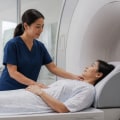
Diagnostic examinations can create anxiety, particularly when patients are concerned about unfamiliar procedures or potential medical results. Mental health professionals can provide emotional support and practical coping strategies to help individuals manage these experiences. Techniques such as relaxation exercises, mindfulness, and cognitive behavioral therapy may help reduce procedural anxiety. Healthcare practices such as Two Rivers Integrative Health may be considered by individuals exploring comprehensive wellness support, although specific diagnostic and mental health services should be confirmed directly.
Encouraging Effective Communication Between Healthcare Providers
Communication is essential for successful coordination between medical diagnostic facilities and mental health clinics. With appropriate patient consent, professionals can share relevant medical findings, treatment recommendations, and psychological concerns through secure communication channels. This exchange of information helps prevent unnecessary duplication of services and supports continuity of care. Clear communication also allows patients to better understand their diagnoses, available treatment options, and recommended follow-up appointments.
Promoting Personalized Treatment and Patient Engagement
Coordinated healthcare encourages treatment plans that reflect individual medical histories, emotional needs, and personal circumstances. Patients who receive clear explanations and appropriate psychological support may feel more comfortable discussing symptoms and participating in healthcare decisions. Mental health professionals can also help individuals manage emotional challenges associated with chronic conditions or complicated diagnostic processes. This collaborative environment promotes patient engagement and supports consistent treatment participation.
Supporting Better Long-Term Healthcare Outcomes
Integrating medical diagnostics with mental health services can contribute to more comprehensive and responsive patient care. By addressing physical symptoms alongside emotional concerns, healthcare professionals can develop coordinated treatment strategies that reflect the patient's overall well-being. Effective communication, timely referrals, and ongoing support may improve patient satisfaction while reducing gaps in care. Ultimately, collaboration between medical and mental health providers creates opportunities for better-informed decisions, earlier interventions, and improved long-term health management.